
At Social Model Recovery Systems (SMRS), prevention is not just a strategy; it is an ongoing process of creating and sustaining connections focused on positive long-term community change.
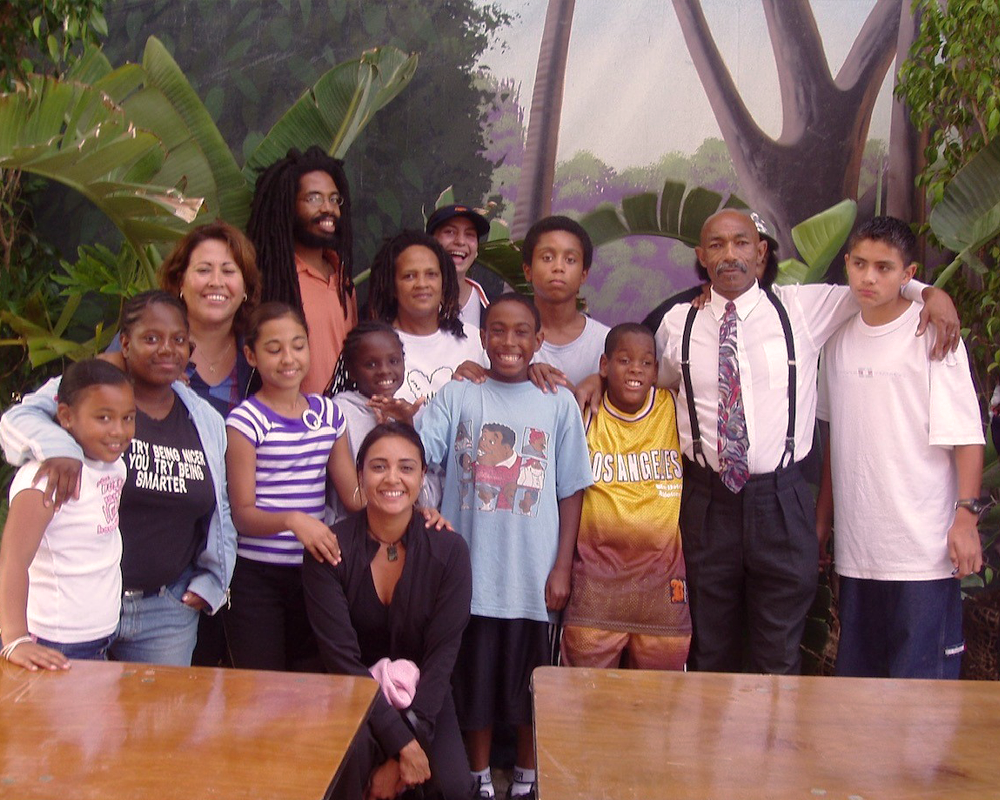
For nearly 35 years, SMRS has been committed to supporting prevention initiatives as a critical part of the behavioral health service continuum. Our prevention efforts are community-based, meeting people where they are, while simultaneously focusing upstream on root causes of substance use risk, including availability, community norms, and maladaptive coping strategies. Cultural responsiveness, amplifying community voice, and implementing innovative strategies are essential components of our work.

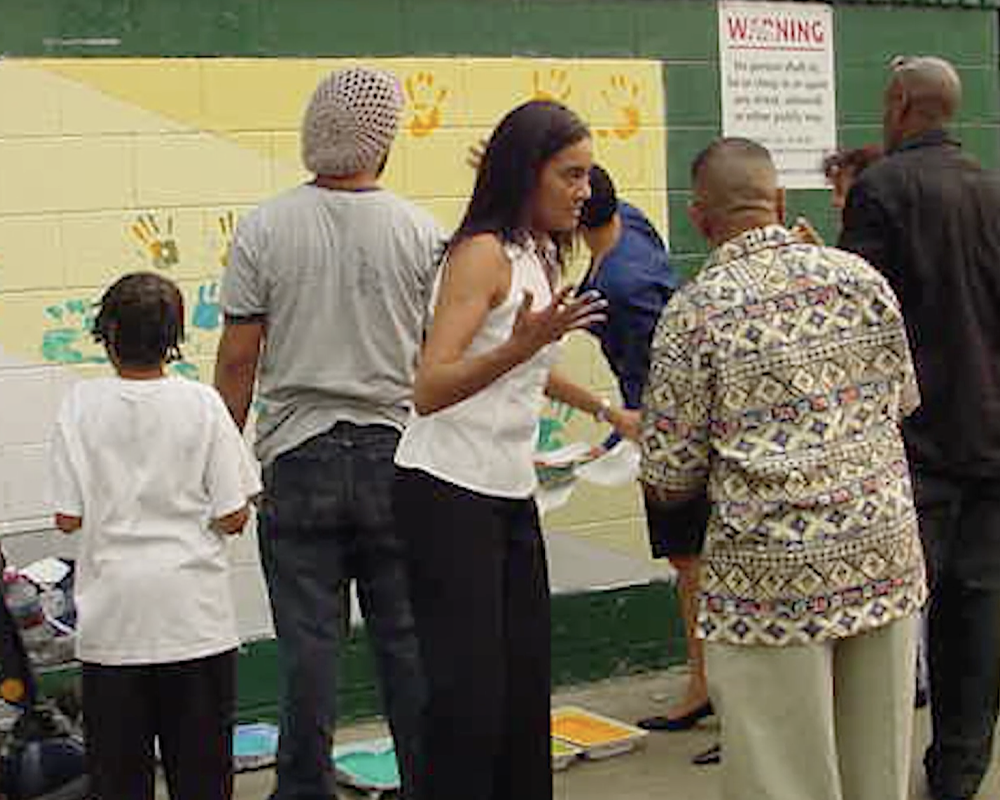
United Coalition East Prevention Project (UCEPP) began working in the Skid Row neighborhood of Los Angeles in 1996, with a focus on addressing systemic conditions that threaten a healthy community. UCEPP partnered with concerned community members to address numerous nuisance businesses and advocate for park improvements and programming. Our work at UCEPP over the years has supported youth advocacy, fostered a range of collaborative community events, limited alcohol availability, increased awareness of overdose risk, and drawn attention to disparities impacting people experiencing homelessness.
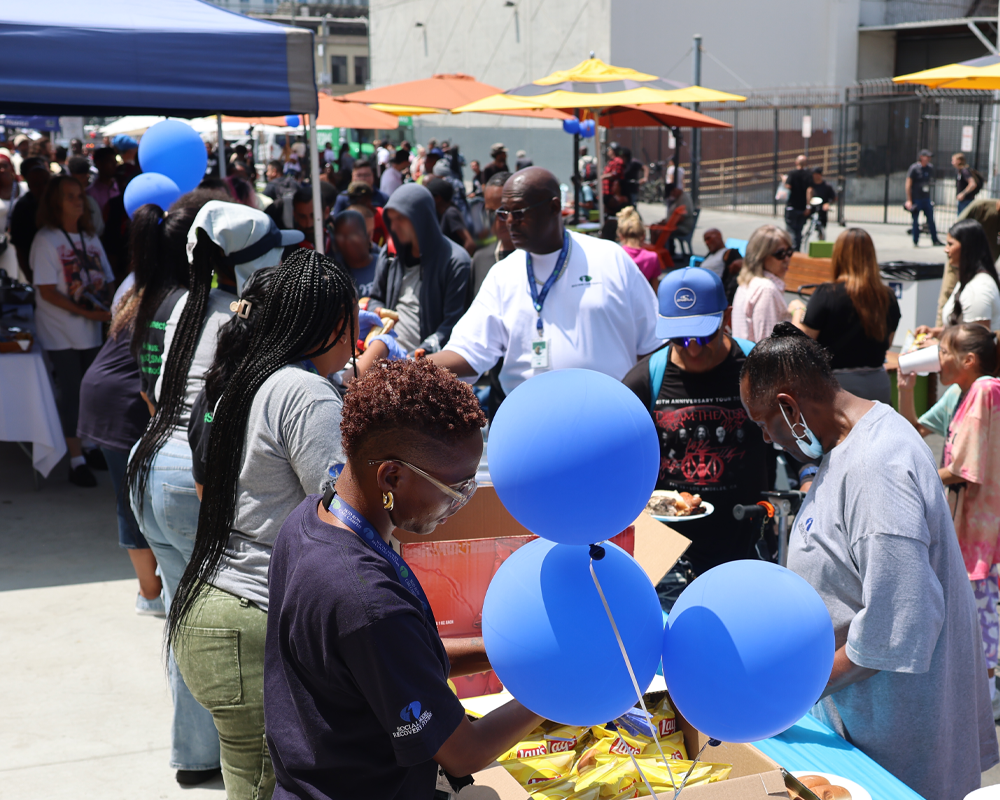

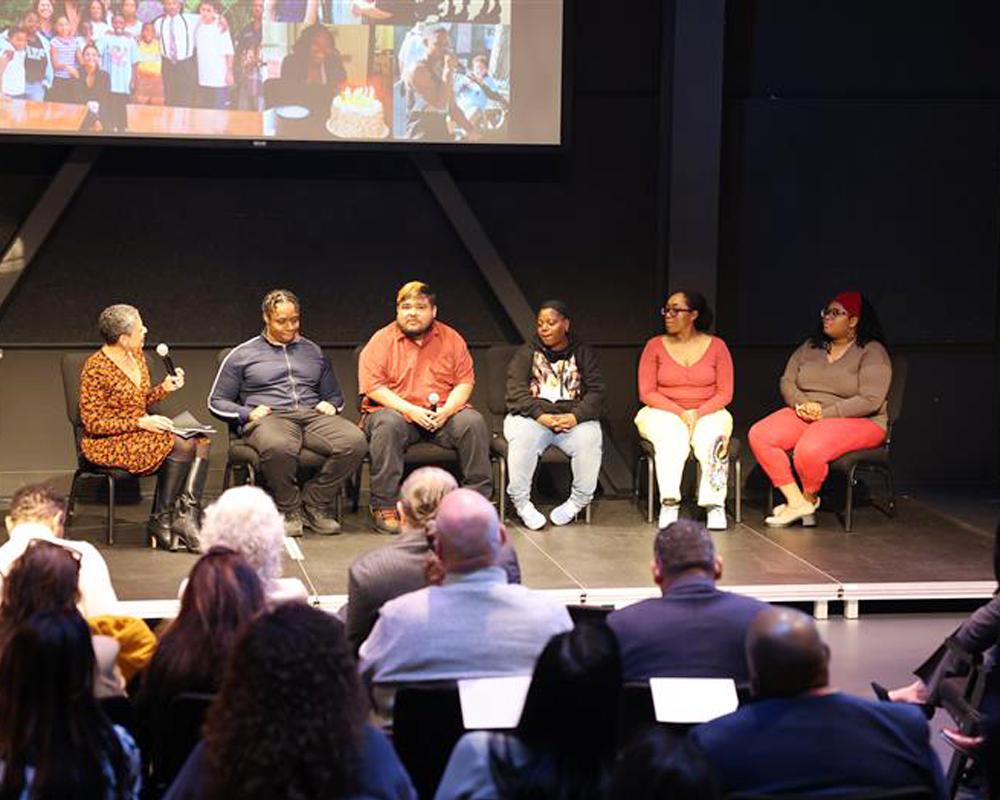
Community Centered Emergency Room Project (CCERP) began with a focus on exploring the causes of and seeking alternatives to the heavy reliance of PEH on the LA General Hospital emergency department. CCERP collaborates with Boyle Heights neighbors to enhance community-based resources for PEH, implement substance-use prevention strategies, and strengthen the neighborhood connections essential to sustained well-being.
The Tobacco-Free Partnership focuses on promoting healthier communities in the Cities of Bell and South Gate through education, mobilization, and policy advocacy. Their work has addressed community concerns about youth access to tobacco products and shined light on the need for regulations that protect public health.

Our prevention initiatives include coalition work that centers lived experience and fosters connections with decision makers. This approach has helped to secure critical resources and sustain community-driven neighborhood improvement efforts targeting the root causes of substance use and abuse.
