
April is Alcohol Awareness Month, a time to learn and inform others about a major threat to public health and a contributor to premature death. According to the Centers for Disease Control (CDC), excessive alcohol use causes about 178,000 deaths each year.
Consuming any form of alcoholic beverage, including red and white wine and beer, is linked with cancer (including breast cancer for women). Liver disease, heart disease, and alcohol use disorders are other drinking-related harms.
Community-Centered Emergency Room Project (CCERP), in partnership with Clínica Romero and local providers, hosted a community engagement and prevention event at the Shower of Hope (SOH) Boyle Heights program on March 27, 2026. The event united SOH participants (most of whom are people experiencing homelessness), service providers, and SMRS prevention staff to promote wellness, increase awareness of substance use impacts, and strengthen connections to community and resources.
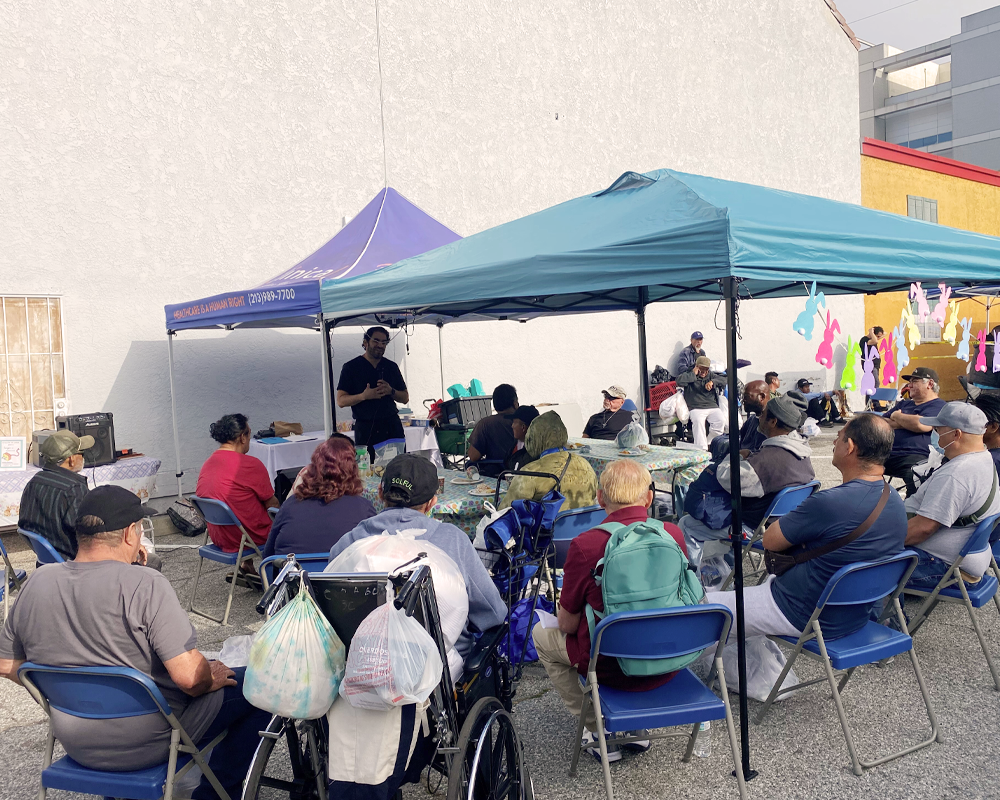
A key highlight of the event was a presentation by Dr. Julio Meza of Clínica Romero, who provided important education on the effects of substances, including alcohol and methamphetamine, on the body. In anticipation of Alcohol Awareness Month, Dr. Meza emphasized that alcohol use, particularly when prolonged or excessive, can lead to serious health consequences such as liver damage and other chronic conditions. He also shared that there are evidence-based medications available to support individuals experiencing alcohol use disorder, reinforcing that recovery is possible. Receiving clear, accessible information about the impacts of alcohol and available services supported informed decision-making, and encouraged participants to seek support when needed.
Following the presentation, CCERP facilitated a Prevention Advisory Committee (PAC) discussion, creating a space for community voice and engagement. The PAC unites community members to discuss, identify, and implement prevention (including overdose prevention) strategies. CCERP emphasized the importance of primary prevention and community engagement. Primary prevention means supporting individuals early, before challenges turn into emergencies, through access to information, resources, and supportive spaces. It also involves uplifting community voices and mobilizing neighbors to help shape a healthier environment
Our prevention work in Skid Row began nearly three decades ago, mobilizing coalition members concerned about nuisance businesses, including bars and liquor stores, and about problems related to alcohol availability. This campaign led to significant improvements at targeted locations.
CCERP seeks to expand critical support for people experiencing homelessness using engagement at wellness activities as an essential prevention component. We recognize that wellness includes not only physical health, but essential connections that foster emotional and social well-being. The integration of education, community feedback, and wellness activities reflects a comprehensive prevention approach that meets people where they are and addresses social factors that impact health. Creating safe, welcoming, responsive spaces helps build trust and opens the door for meaningful conversations about wellness, substance use, healthier choices, and neighborhood improvement. CCERP’s work at SOH demonstrates the power of community-centered prevention to inform, connect, and support lasting wellness.
