
For many men, asking for help is not easy. Some have spent years carrying pain quietly, trying to stay strong, trying to handle everything on their own, or believing they had to keep their struggles to themselves.
At Omni Center, those walls can slowly begin to come down.
Omni Center is more than a residential treatment program for men. It is a place where men are welcomed with care, patience, and understanding. It is a place where they are given time to breathe, reflect, and begin again.
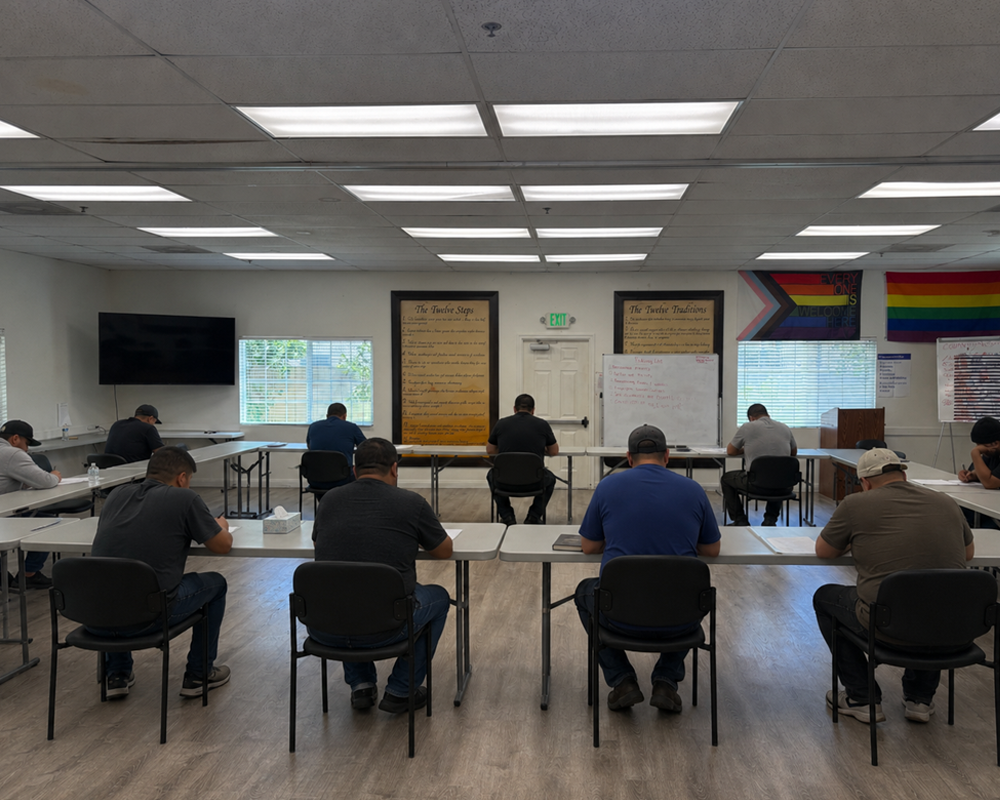

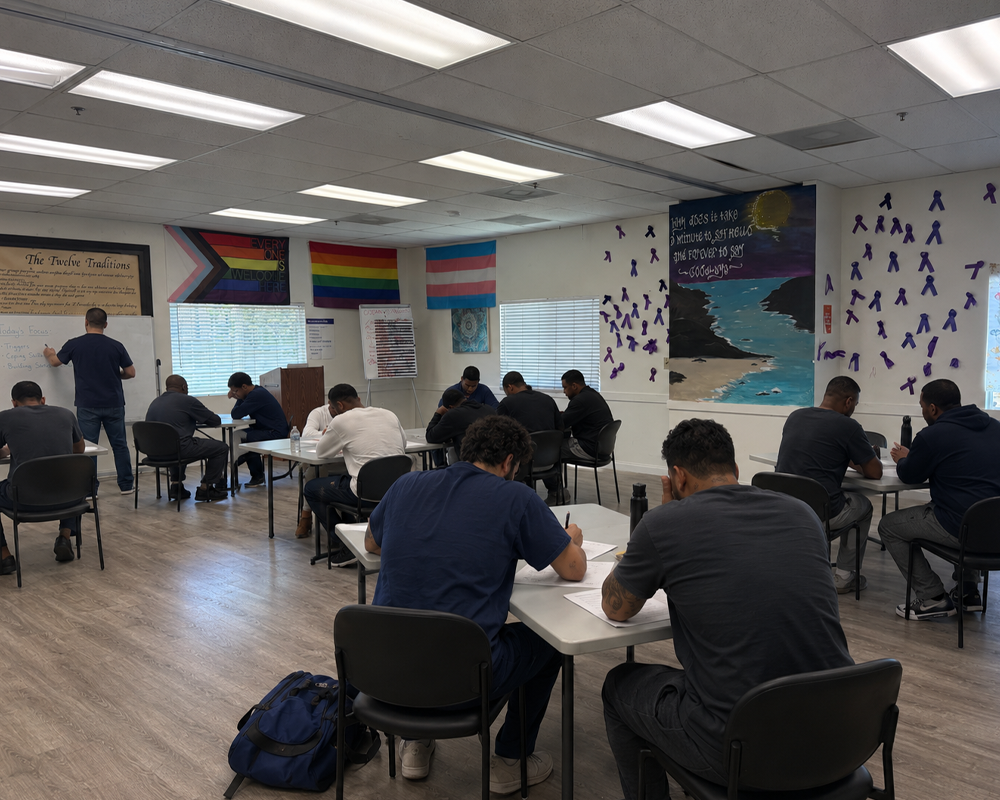
For James Murrell, Omni Center Program Director, one of his most important hopes is that every man who comes to Omni feels safe.
“I hope that every man who comes to the Omni Center not only feels safe, but truly knows that he is safe,” James shared.
That safety matters. It gives each resident the space to look at his life, begin healing, and think about his future. As James shared, the goal is not only for each man to decide what he wants to do with his life, but also to become the kind of man he wants to be.
During Men’s Mental Health Awareness Month, this message is especially important. Many men have been taught to hide their emotions or to carry their struggles in private. Denise Hernandez-Felice, Senior Director, Treatment Services, shared that having a safe, nonjudgmental space allows men to feel seen, heard, and understood without fear of shame, stigma, or criticism.
At Omni Center, each man is seen as more than what brought him through the door. He comes with a story, a culture, family experiences, challenges, and hopes for something better. The team takes the time to understand him and support him as he begins to heal and rebuild.
The work happens in counseling sessions and recovery groups, but it also happens in the small moments that fill each day. A staff member taking time to listen. A resident encouraging another man through a hard day. A family slowly beginning to reconnect. An alumnus returning to show others that life after treatment can be filled with purpose, connection, and hope.
James recalled one resident who came to Omni Center directly from the county jail on a 90-day court order. At first, the resident said he was only there to satisfy the court requirement. But after about 30 days in the program, he came to James’ office and shared that he realized how much he truly needed the help. He was grateful for the support, guidance, and safe place that gave him time to work on himself.
Stories like this are a powerful reminder of the difference Omni Center can make.
What also makes Omni Center special is the sense of brotherhood created within the program. Melanie Arellano, Los Angeles Regional Director, shared that the staff use a holistic, gender-responsive approach, meeting each resident as an individual and providing support. She described a culture where staff and residents welcome new men into the program and help them feel a sense of belonging.
For many men who have been hurt, judged, or let down in different parts of their lives, feeling accepted can be a turning point. At Omni Center, belonging helps them remember that they are not alone, that their past is only one part of their story, and that others believe they can heal, grow, and become more.
Omni Center also helps men rebuild confidence by giving them opportunities to participate, contribute, and be of service to their community. Through encouragement and positive recognition, residents begin to experience support in a different way, one rooted in dignity, respect, and hope.
James shared that he wants people to know the men served at Omni Center are not bad men. They are men who have experienced trauma, hardship, and challenges that have affected their lives in different ways. What they need is guidance, patience, compassion, and the time and space to heal.
“One of the things I hear most often from our residents is that they can tell we genuinely care about them,” James said.
This Men’s Mental Health Awareness Month, we recognize James Murrell and the entire Omni Center team for the meaningful work they do every day. Their work reminds us that healing does not happen all at once, and it does not happen alone. It happens through safety, trust, compassion, and a community that helps men believe in the life they are working to rebuild.
