
Social Model Recovery Systems (SMRS) participated in the Mercy Behavioral Health Summit 2026 held on May 21 in Long Beach, where behavioral health professionals, healthcare leaders, policymakers, and community organizations came together to discuss innovation, treatment access, recovery, and the future of behavioral health care.
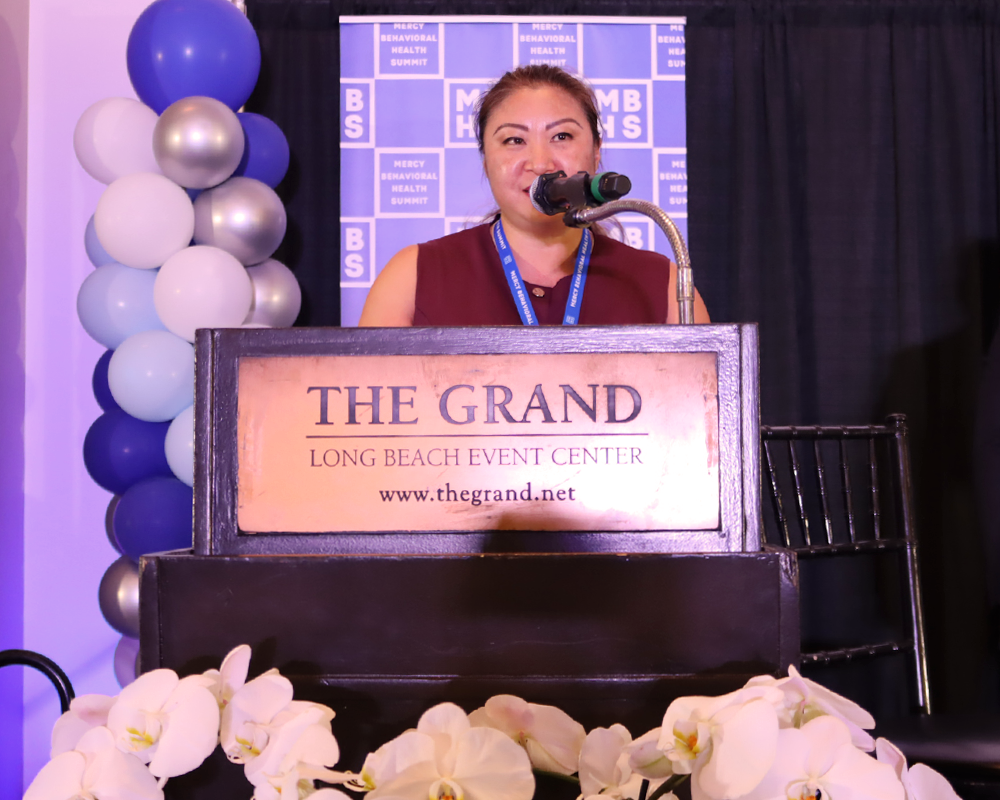
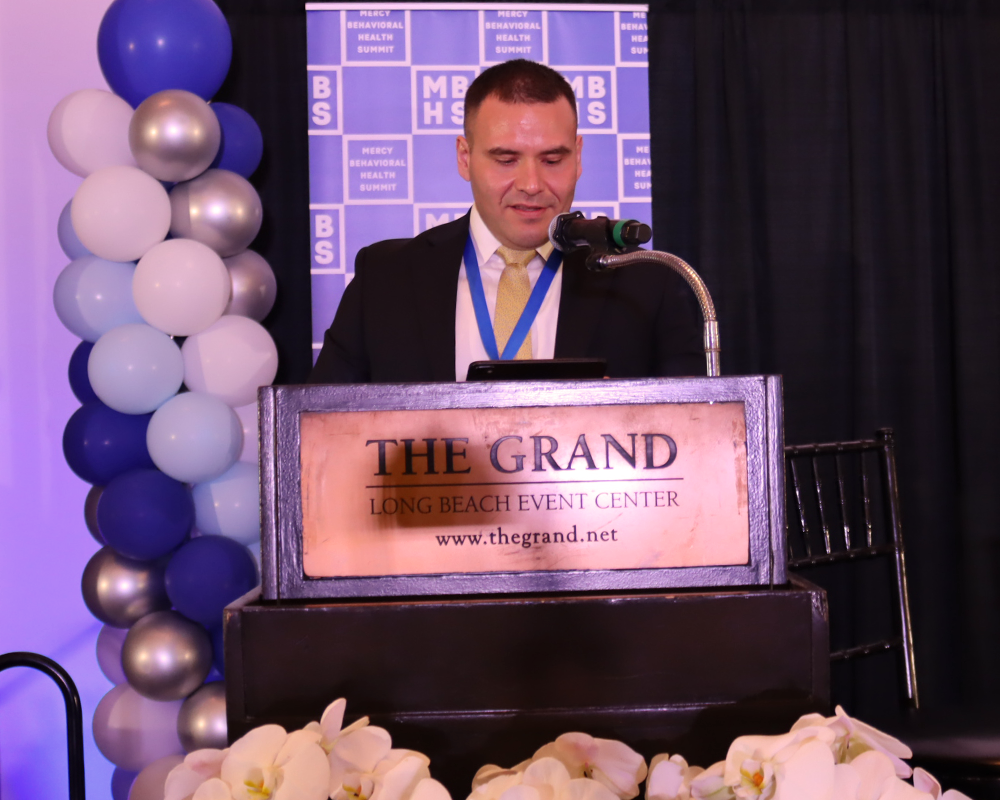
Representing SMRS were Dr. Anna Lee, Director of Innovation, who helps lead innovation initiatives and explores new approaches to improving behavioral health services, and Hugo Izquierdo, Lead Data Analyst, who supports programs through data analysis, reporting, and technology solutions that help improve operations and client care.
They presented on the growing role of artificial intelligence (AI) in behavioral health and on how technology can support both providers and participants while keeping human connection at the center of care.
Dr. Lee shared that AI should be seen as a support for behavioral health professionals, not a replacement for human care. The presentation elaborated on how technology can help with workload and give staff more time to focus on people and direct care.
Topics included support for documentation, data analysis, virtual-reality treatment experiences, and digital resources that can provide support even in the middle of the night when people are alone and need care.
Hugo also discussed how SMRS has explored using data and machine learning to better understand treatment retention and identify patterns that may help staff provide earlier support to participants who may be struggling or at risk of disengaging from services.
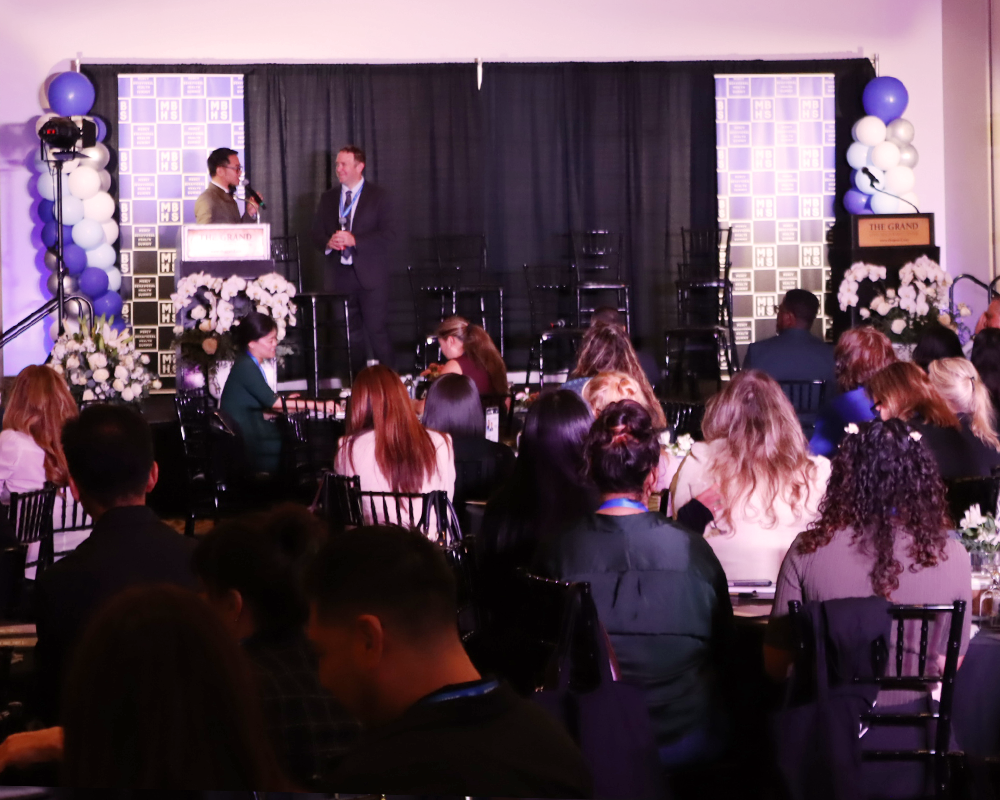
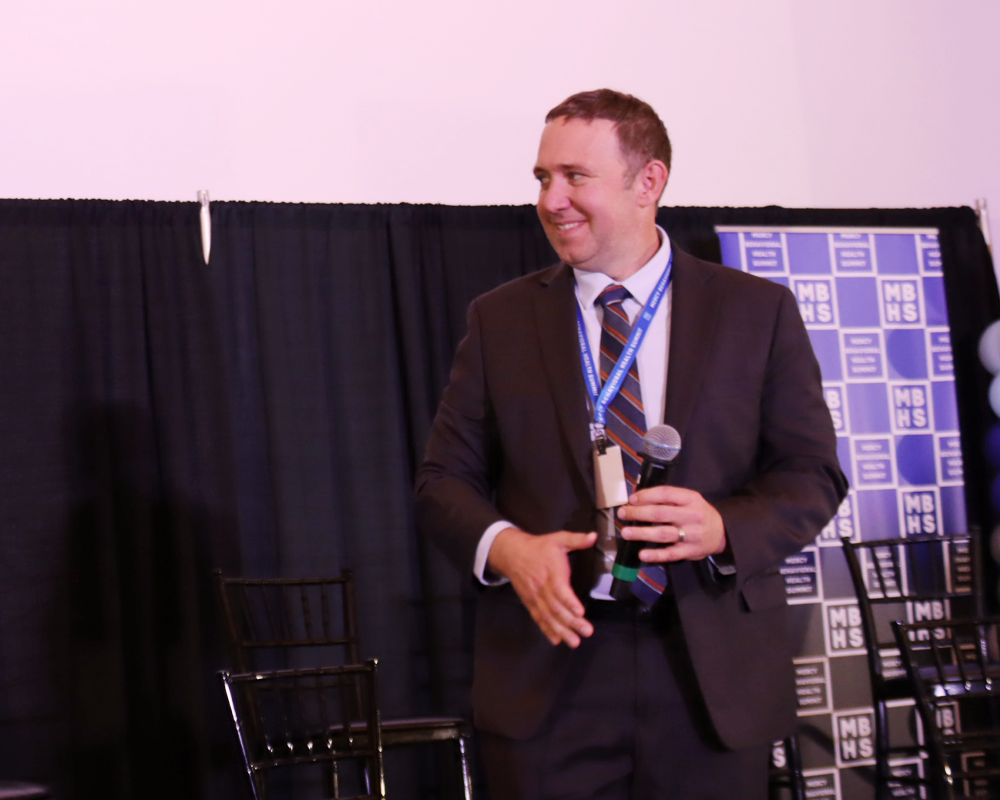
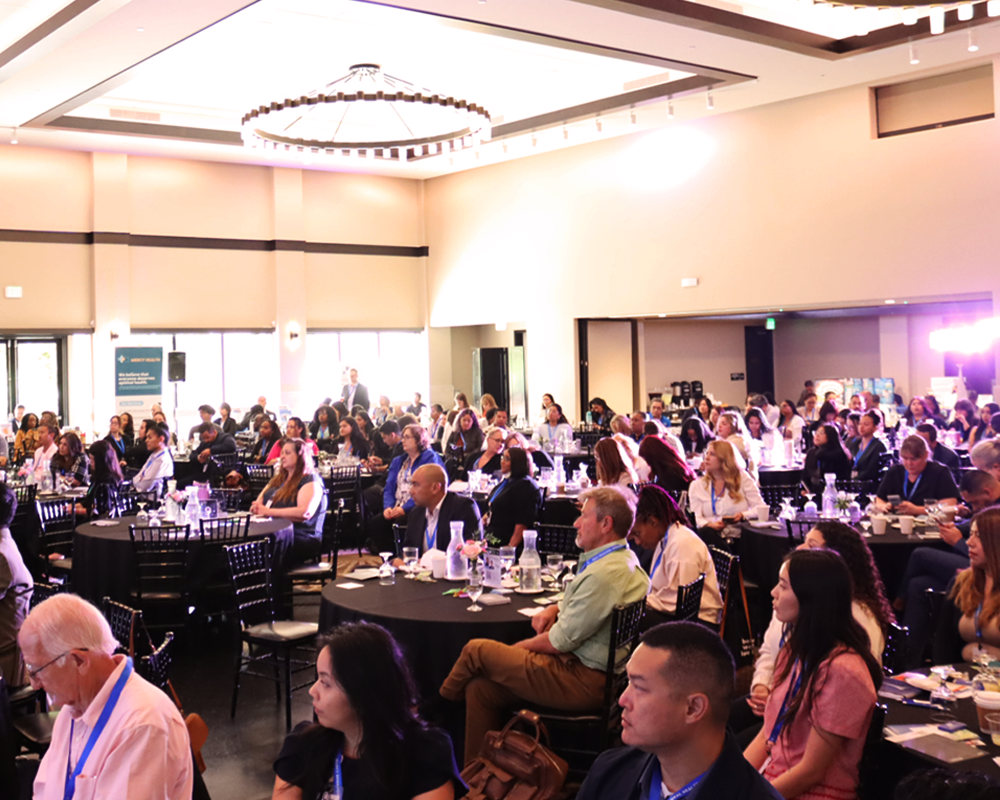
Another featured speaker was Dr. Brian Hurley, Medical Director of Substance Abuse Prevention and Control for the Los Angeles County Department of Public Health. During his presentation on the “Reaching the 95%” initiative, Dr. Hurley spoke about the large number of individuals living with substance use disorders who are not currently receiving treatment and the importance of reducing barriers to care.
Dr. Hurley pointed out the importance of “meeting people where they are” and of creating lower-barrier, person-centered approaches that align with services based on an individual’s readiness for change, rather than requiring complete abstinence before providing support. He also discussed expanding access to treatment and substance use services into hospitals, outreach teams, community settings, and other places where people already receive care.
The summit also featured presentations and discussions from behavioral health leaders, including Michael Hunn, CEO of CalOptima Health, as well as other healthcare and policy leaders who discussed behavioral health systems, partnerships, innovation, and improving access to care.
This year’s theme focused on working together, showing compassion, and finding thoughtful ways to improve behavioral health care.
SMRS’s participation in the summit shows the organization’s ongoing commitment to learning, collaboration, and finding meaningful ways to support behavioral health services, recovery, and the communities it serves.
