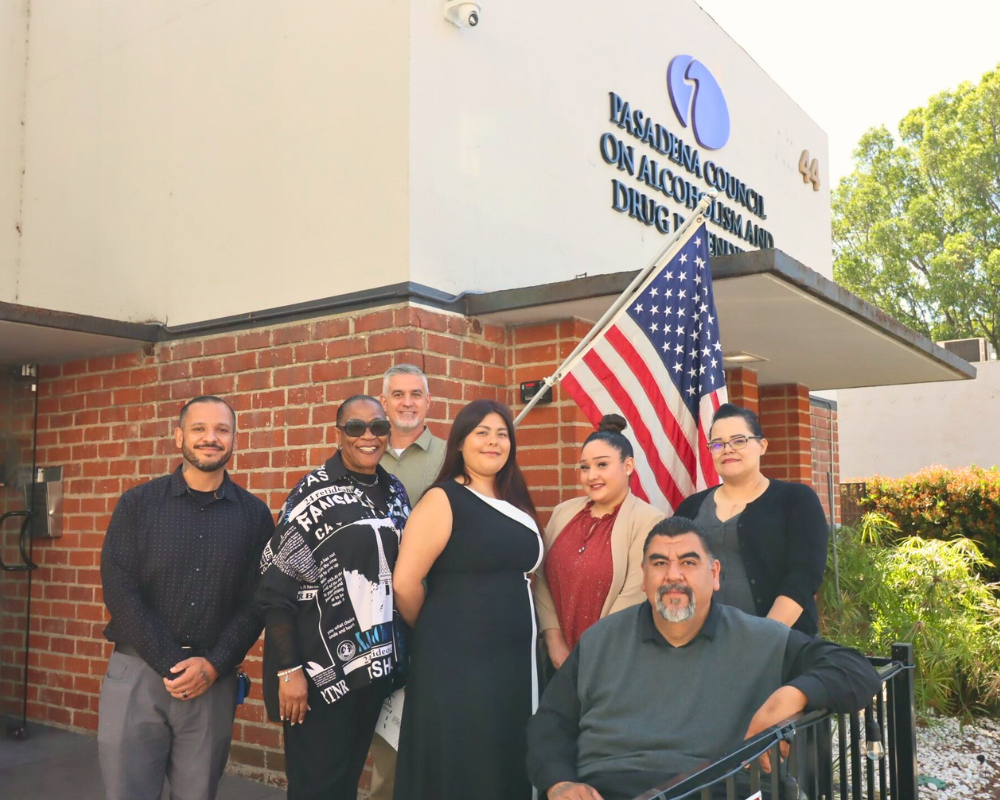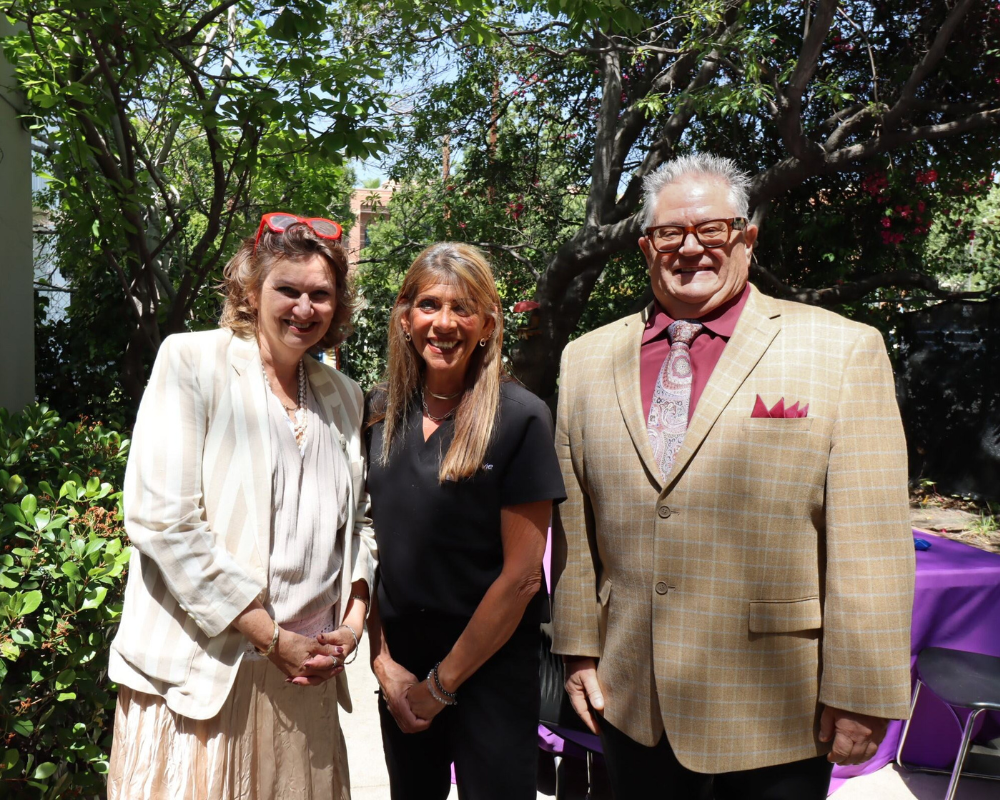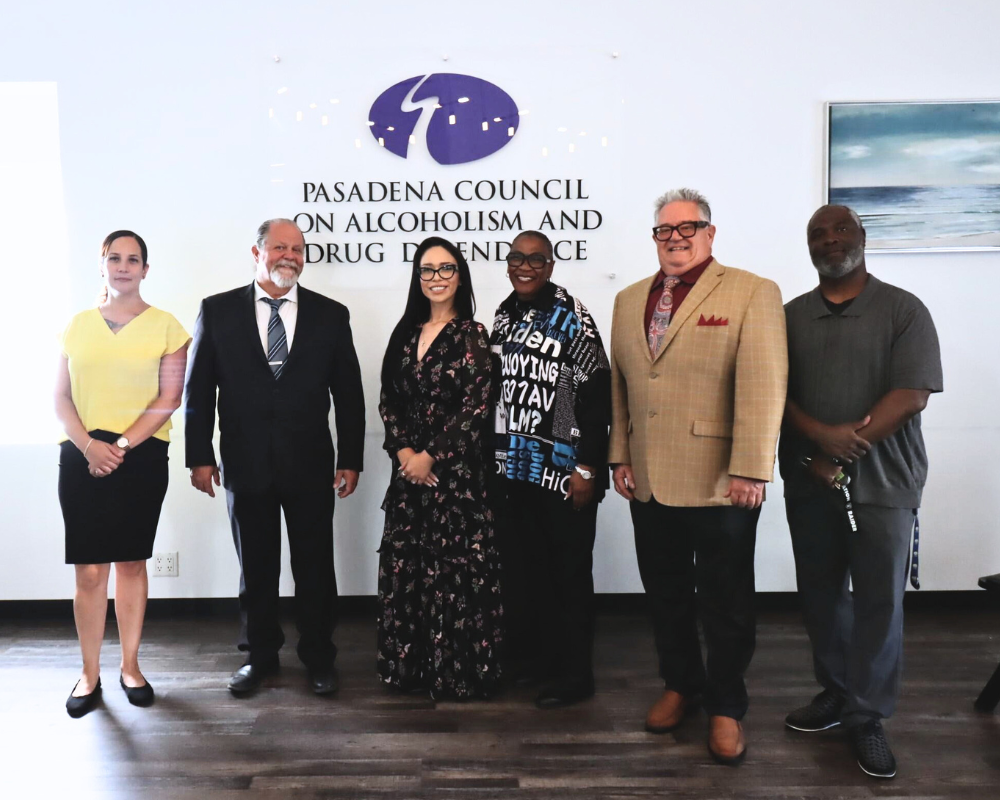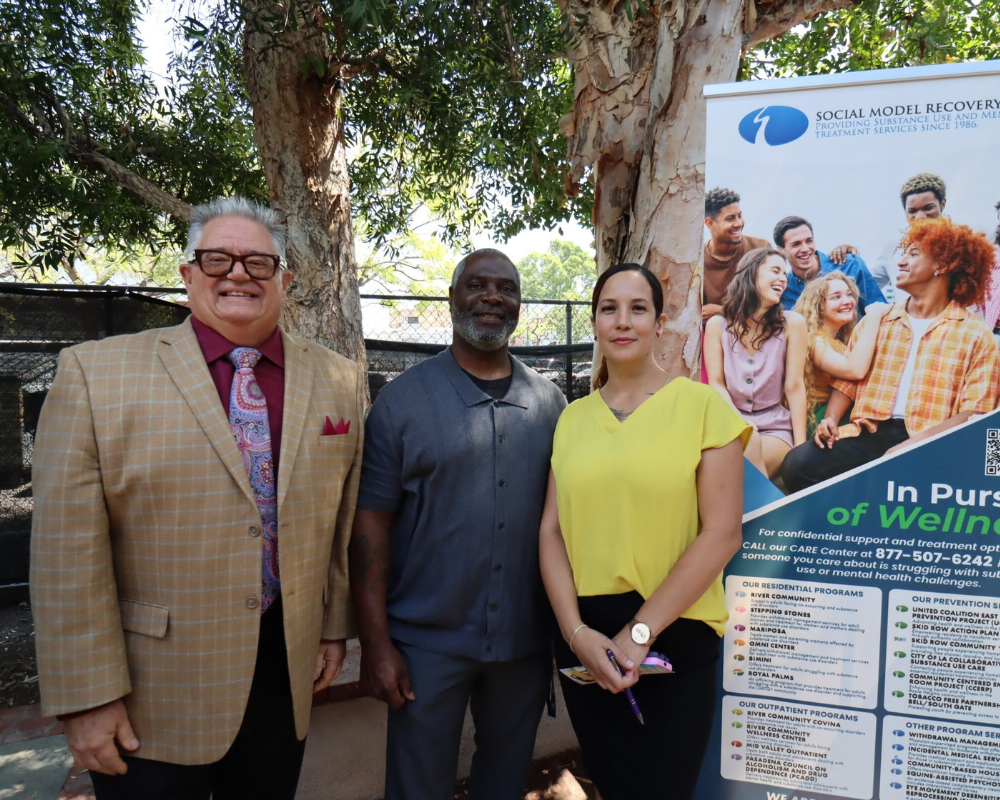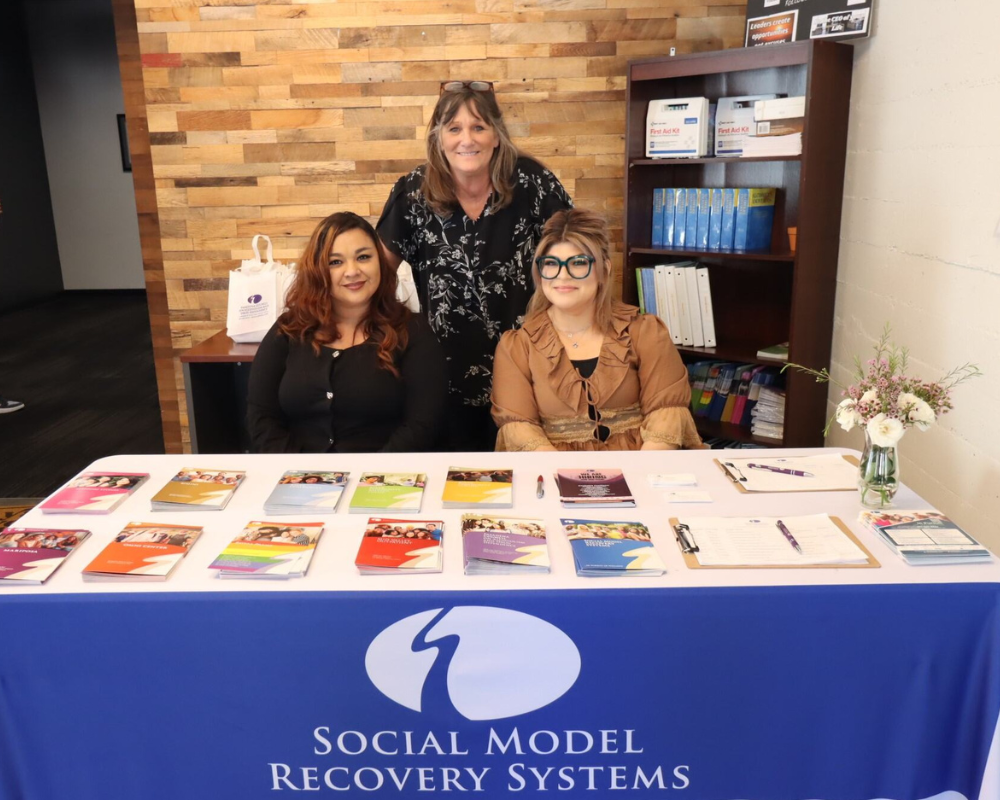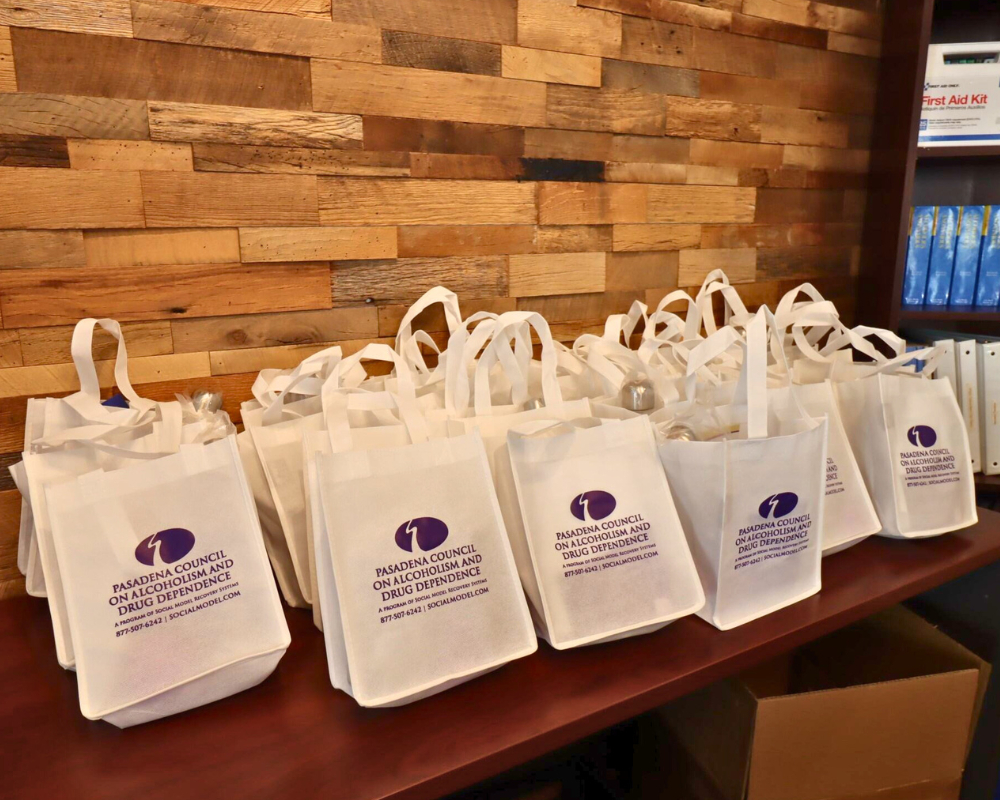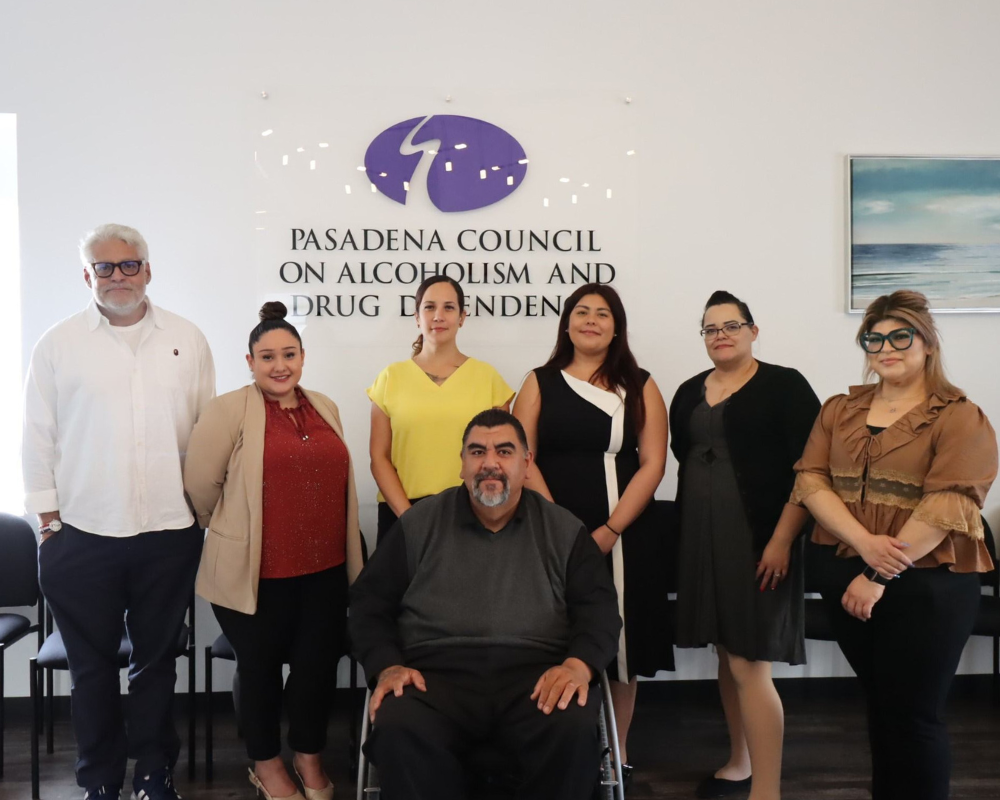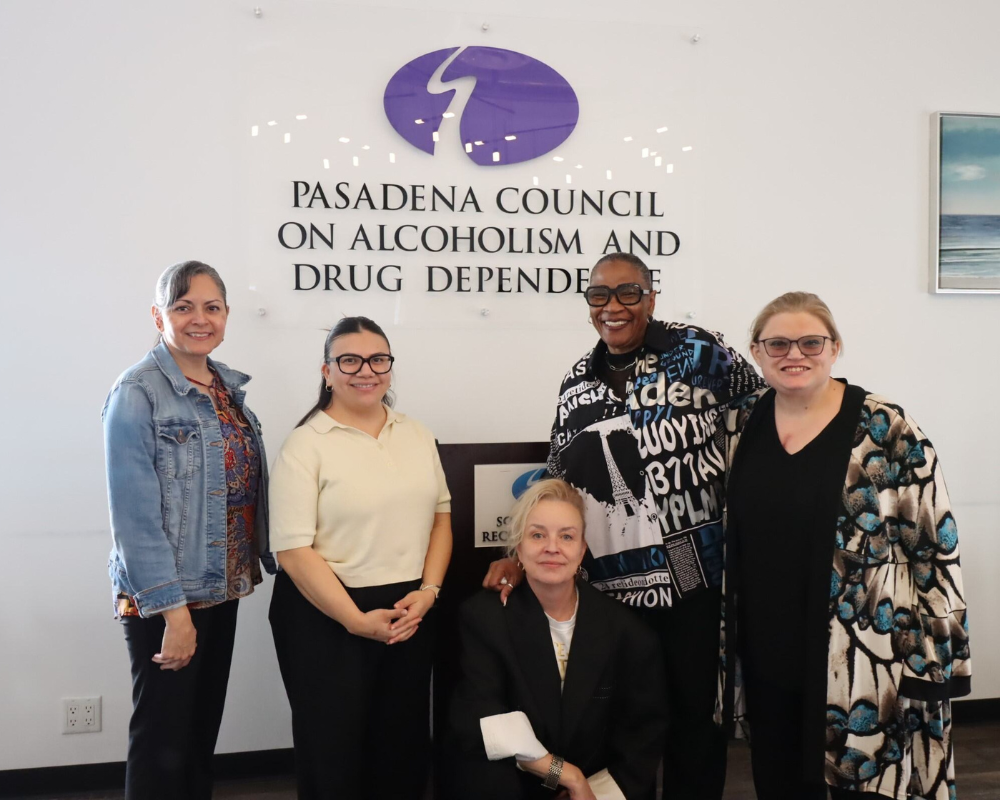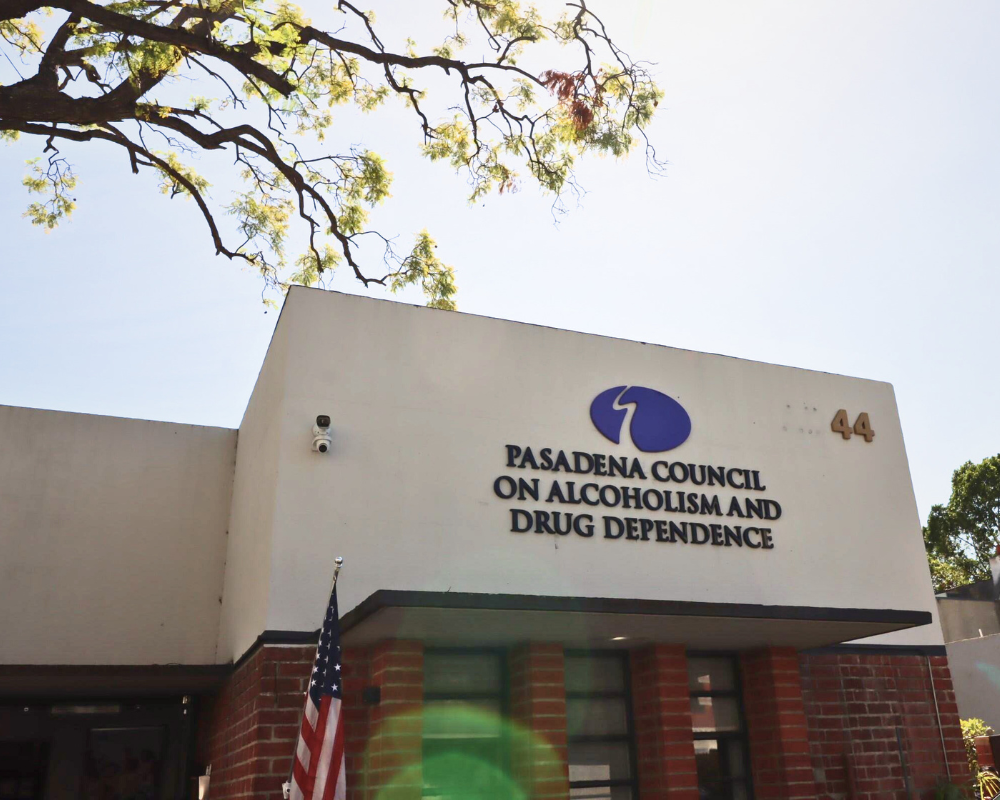
On April 7, 2026, Social Model Recovery Systems hosted a Community Providers Meeting at Pasadena Council on Alcoholism & Drug Dependence (PCADD). Bringing together professionals from various behavioral health programs and community organizations across Pasadena and the greater Los Angeles County, attendees had the opportunity to learn about the adult and adolescent services provided at PCADD and connect with one another.
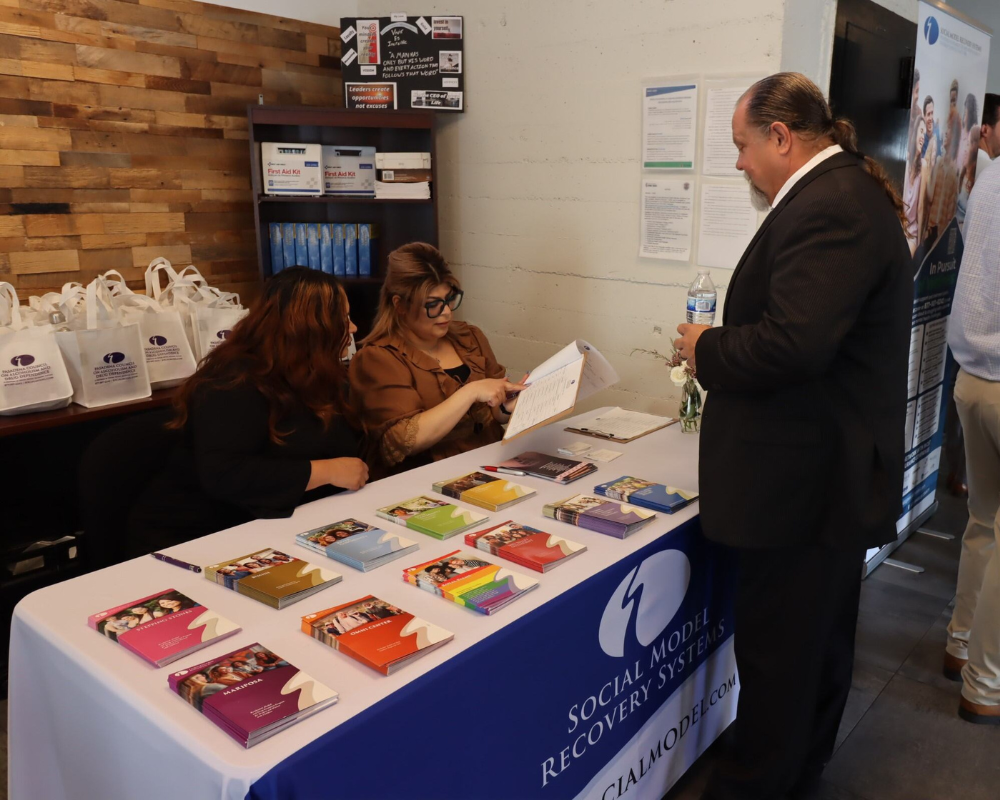
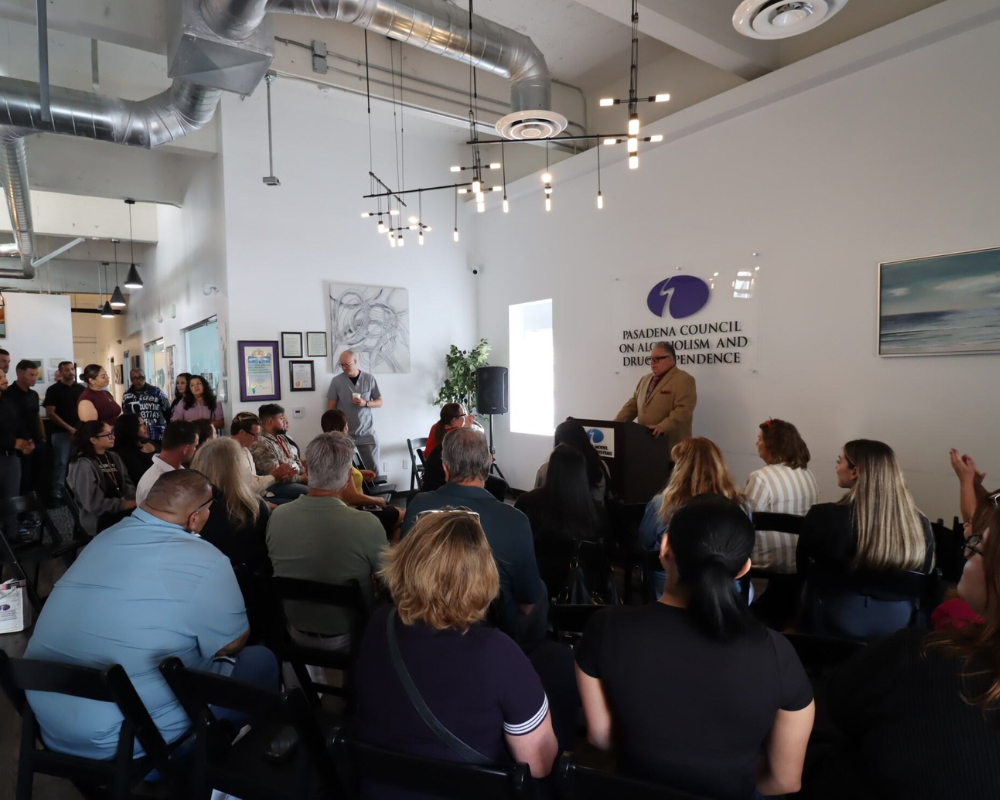
The meeting opened with a welcome from Mike Schaub, Senior Director of Community Relations, who shared the purpose of these gatherings: to stay connected as providers, synergistically work together, and do our best to get people the help they need.
From there, Mike shifted the focus to the program, introducing Program Directors Joanna Gomez and Ellen Striverson. Joanna spoke about the Alcohol and Other Drug (AOD) program and the services offered to both adults and adolescents. She walked through how the program supports individuals dealing with substance use, mental health, and co-occurring disorders, and highlighted the role of counseling, group services, and individualized care in helping participants move forward in recovery.
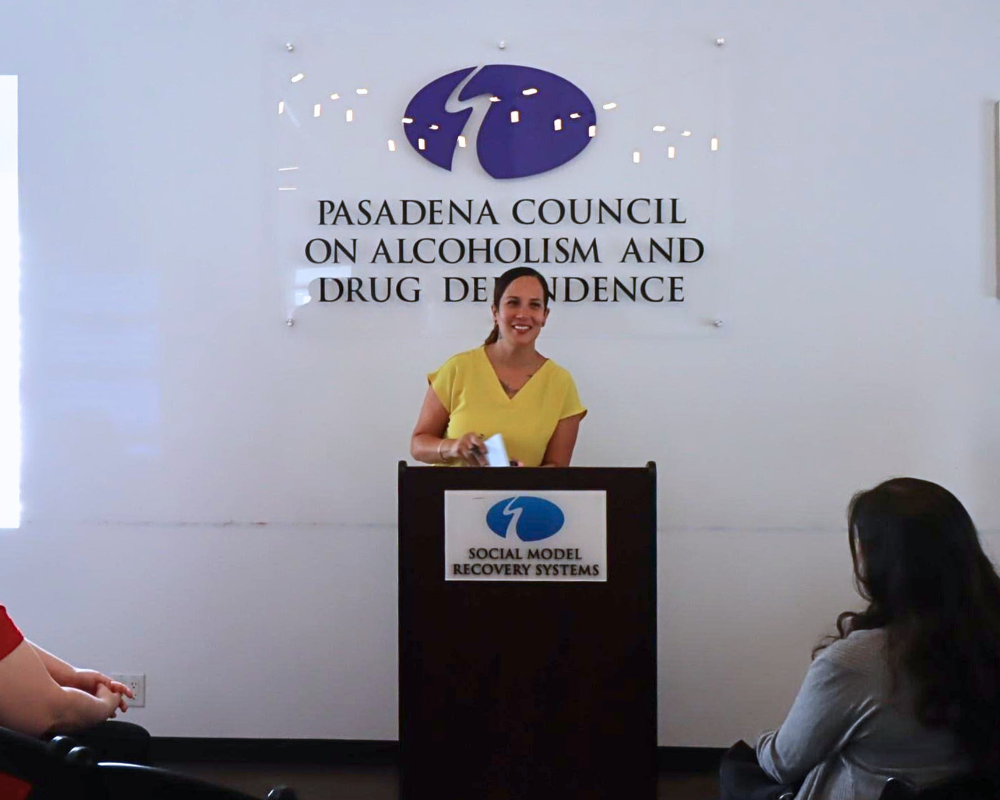
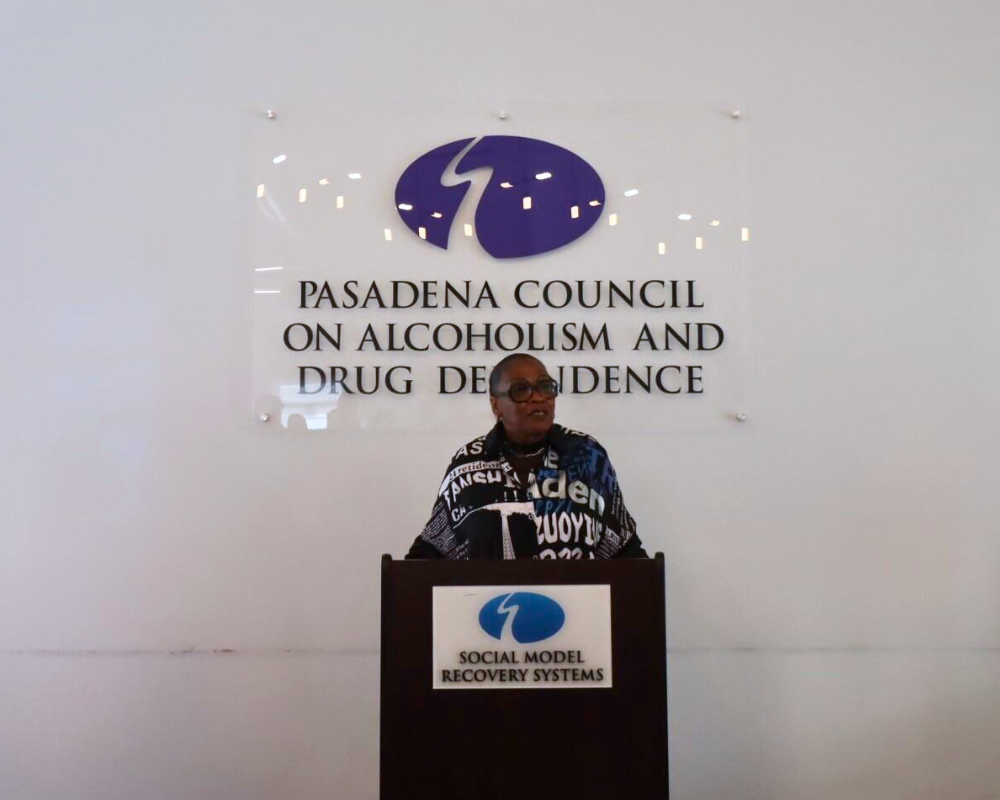
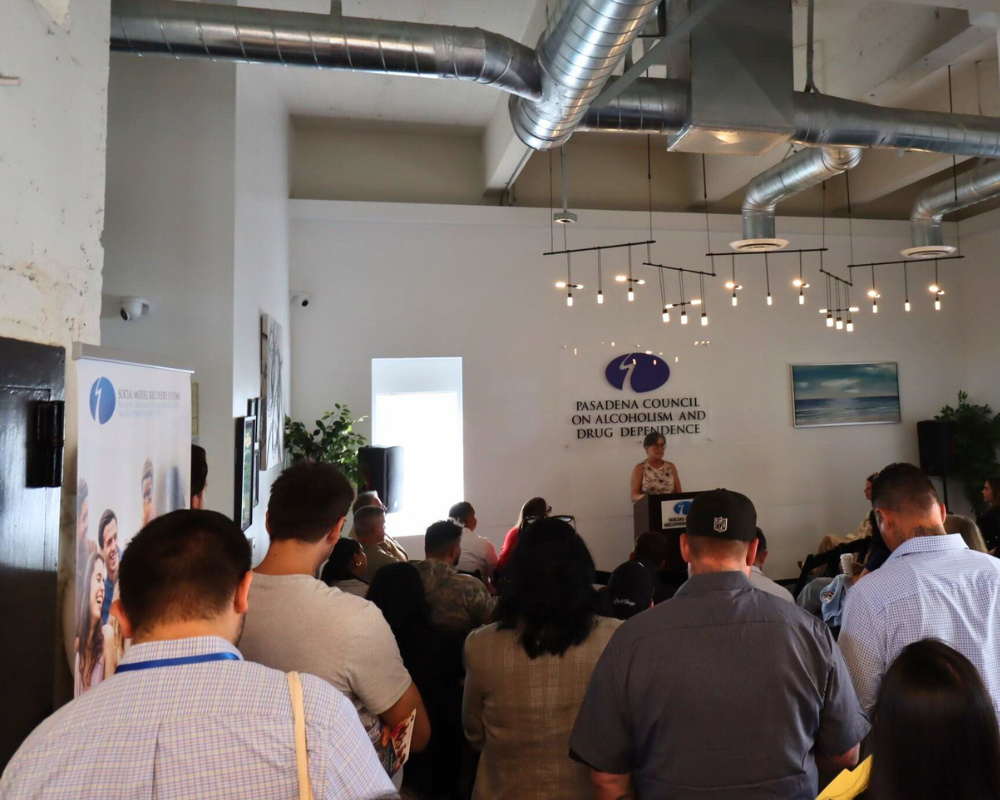
Ellen then discussed the Adult Full-Service Partnership (FSP) program, supported by the Los Angeles County Department of Mental Health (DMH), which provides services to adults aged 26-59 diagnosed with severe mental illness. She emphasized that this program is here to do “whatever it takes” to help participants on their recovery journey. Karen Sidney, a representative from DMH, added to this by explaining who qualifies for the program, what services are included, and how referrals and enrollment work in practice.
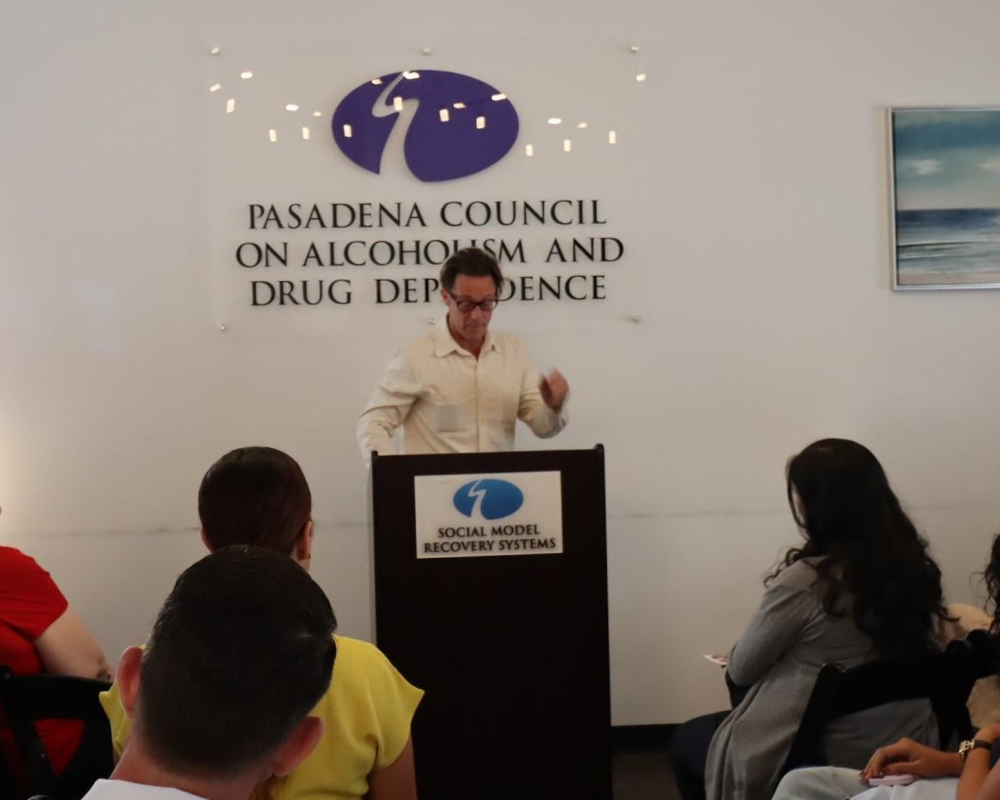
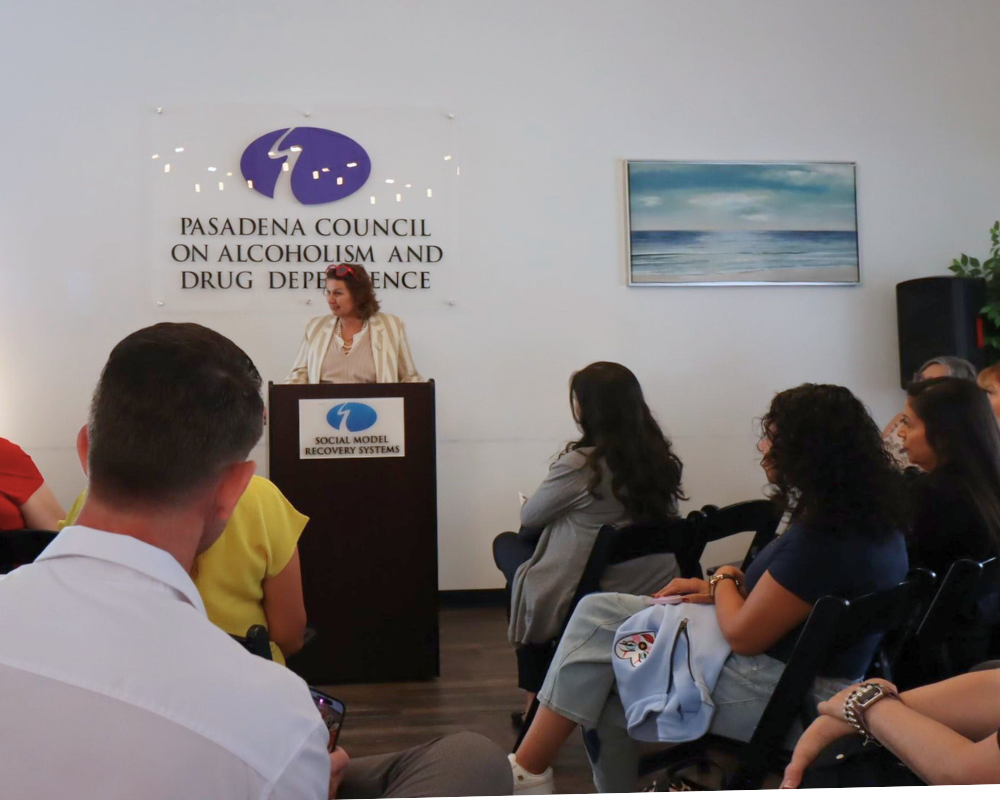
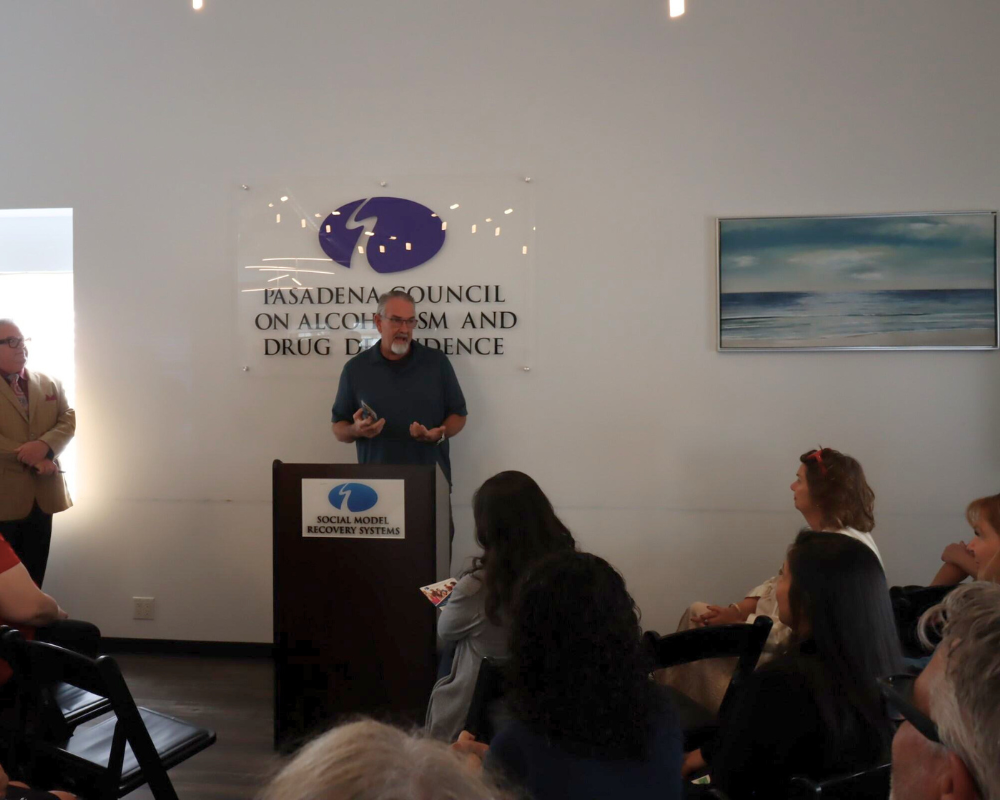
An impactful part of the meeting came from participants from both the AOD and FSP programs, who shared their experiences, speaking honestly about their recovery journeys and how PCADD has supported them along the way. Their stories gave attendees a clearer picture of what these services look like in real life.
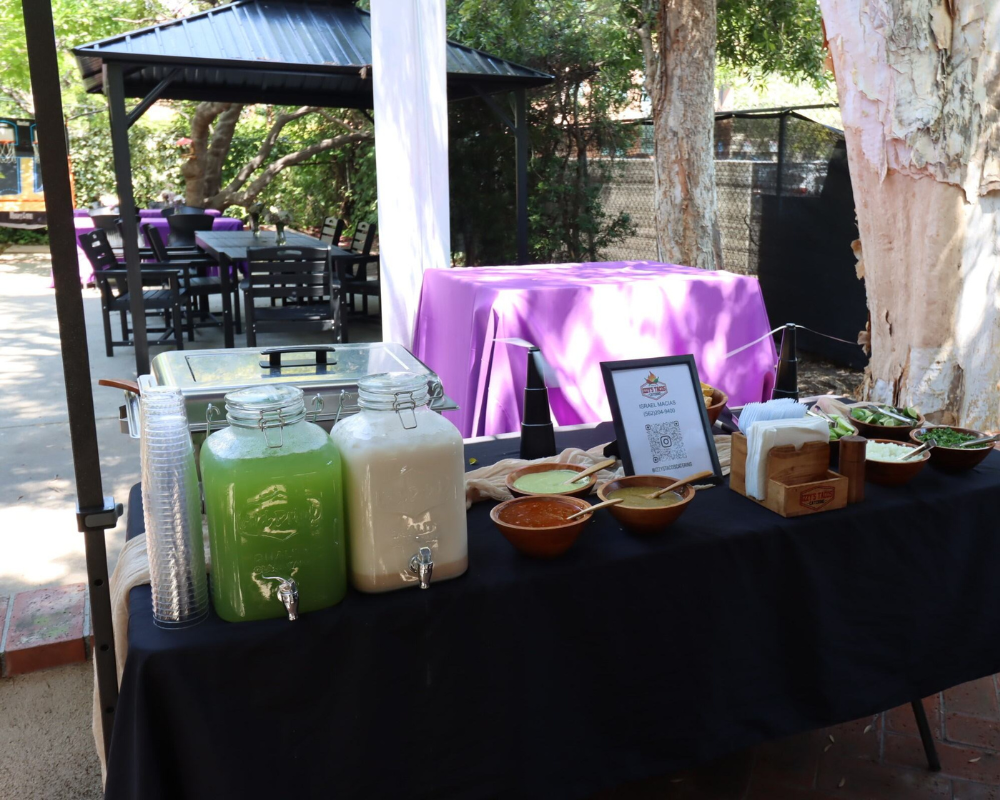
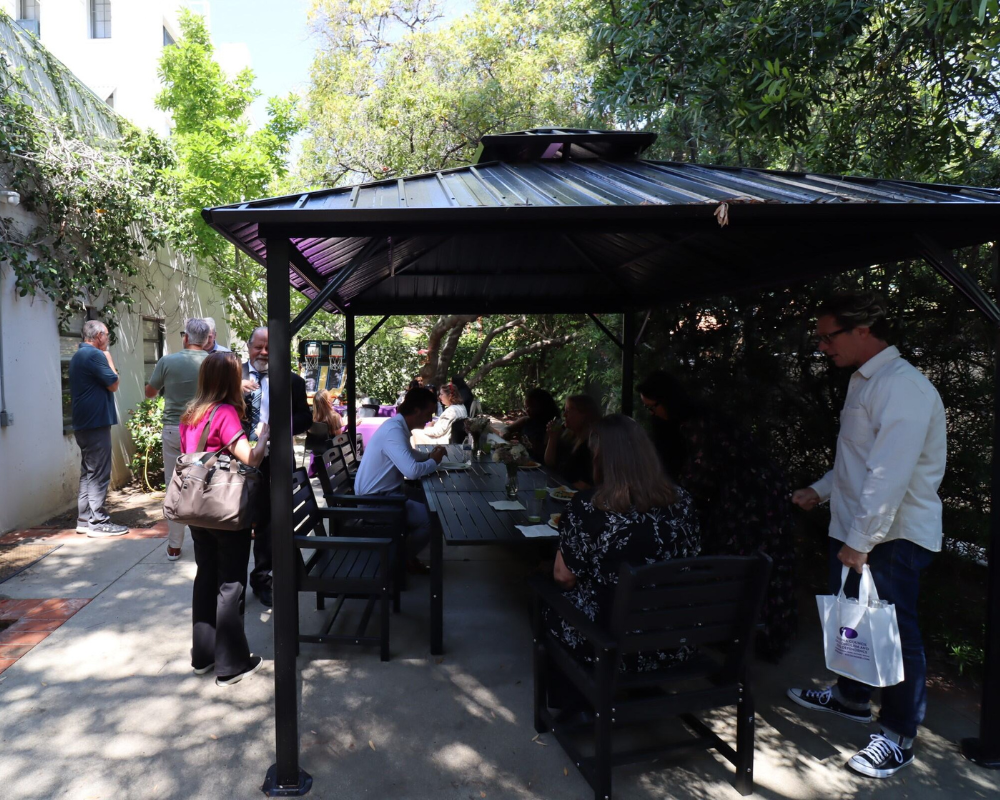
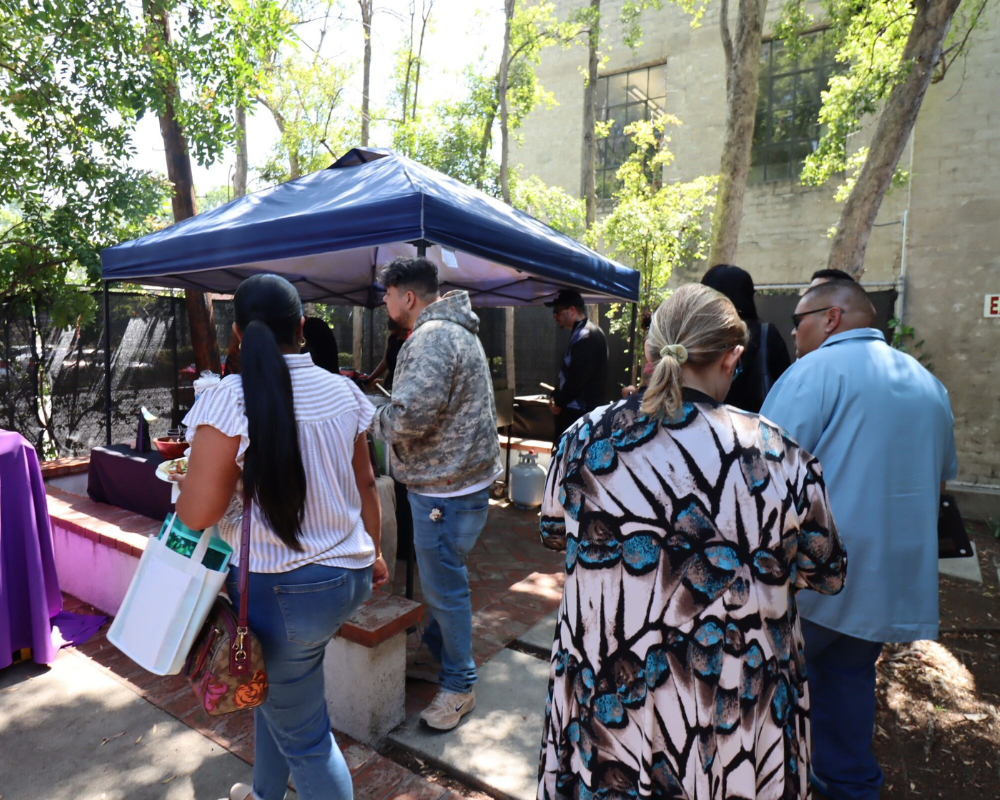
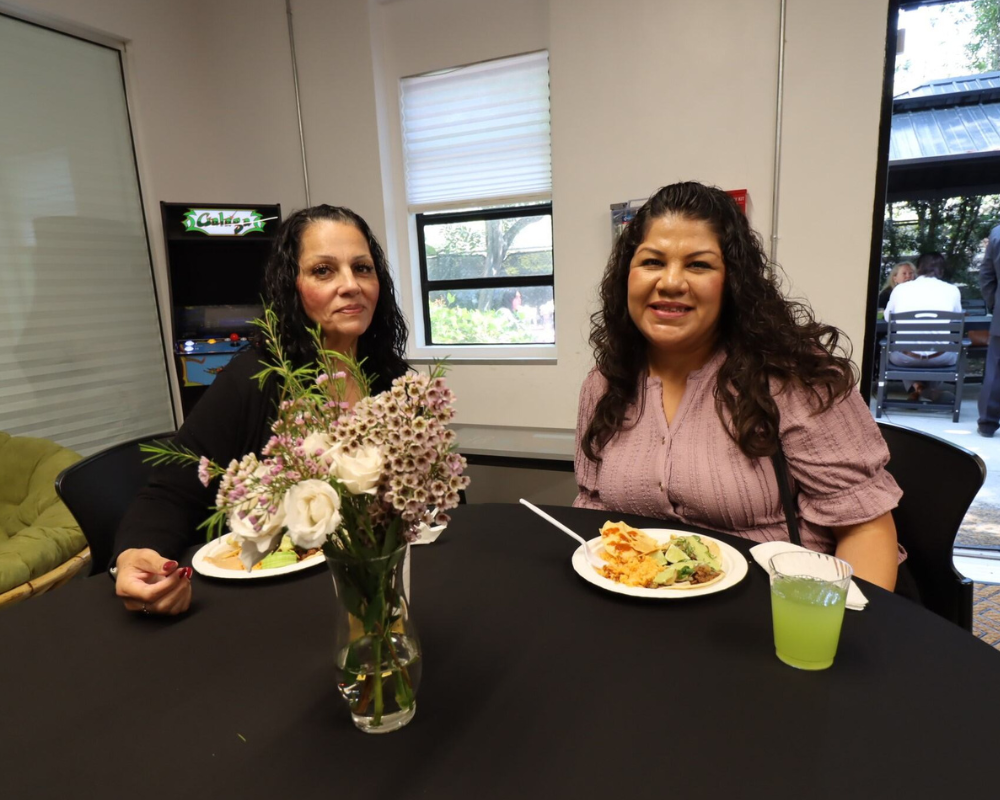
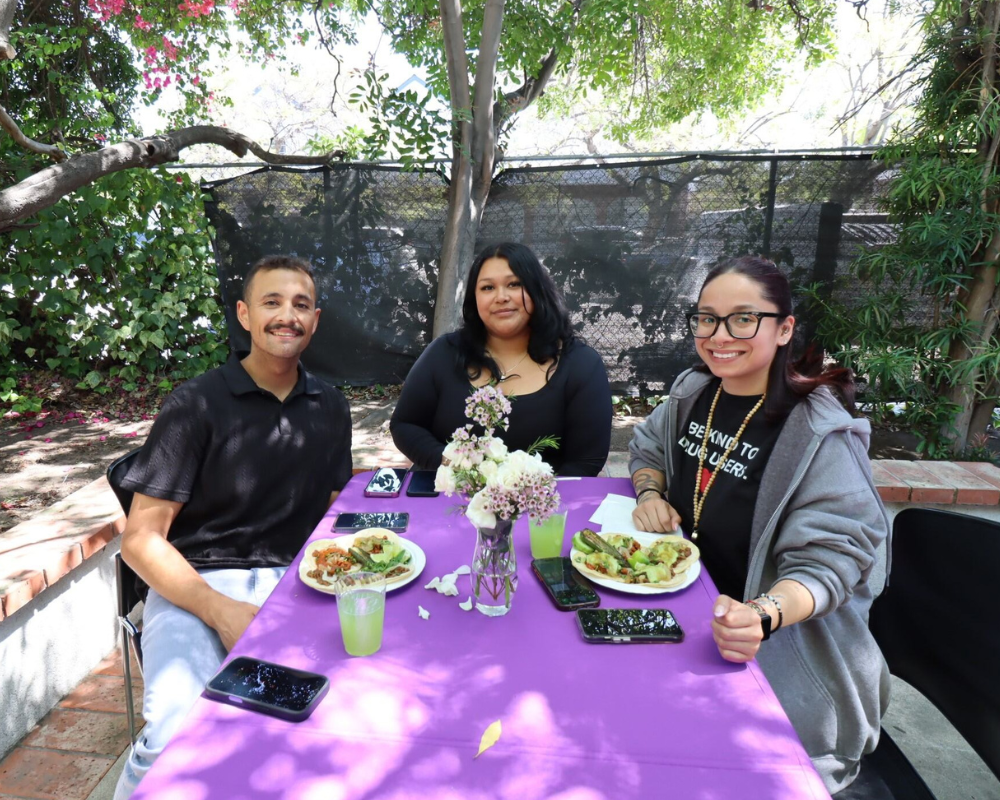
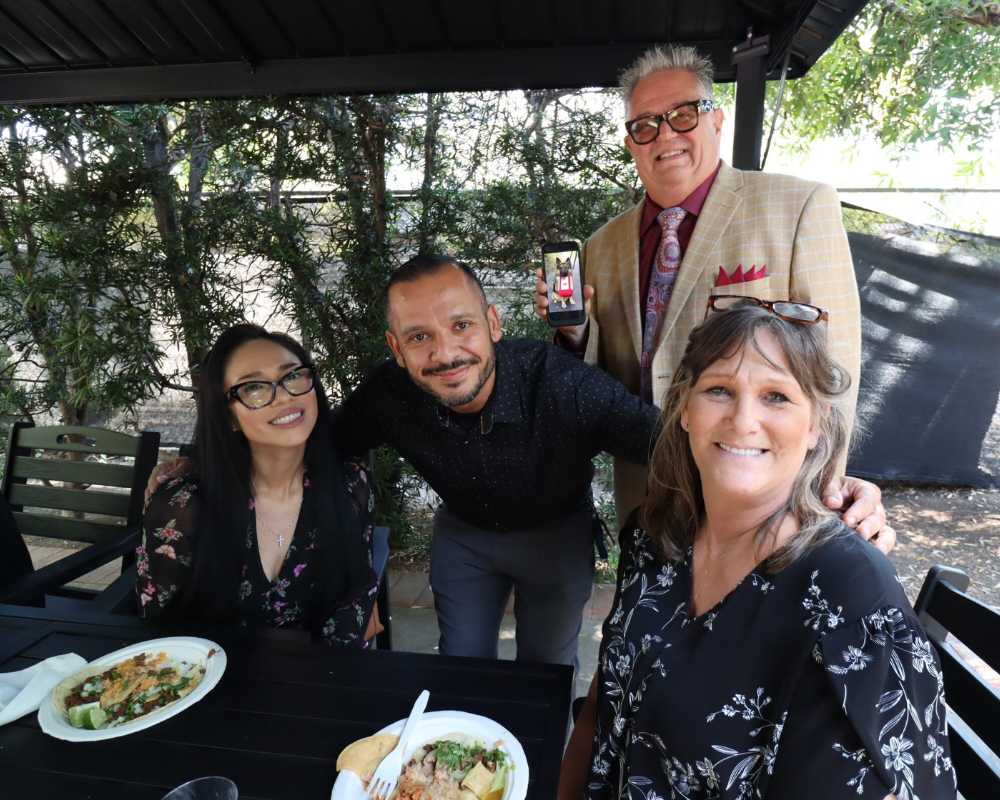
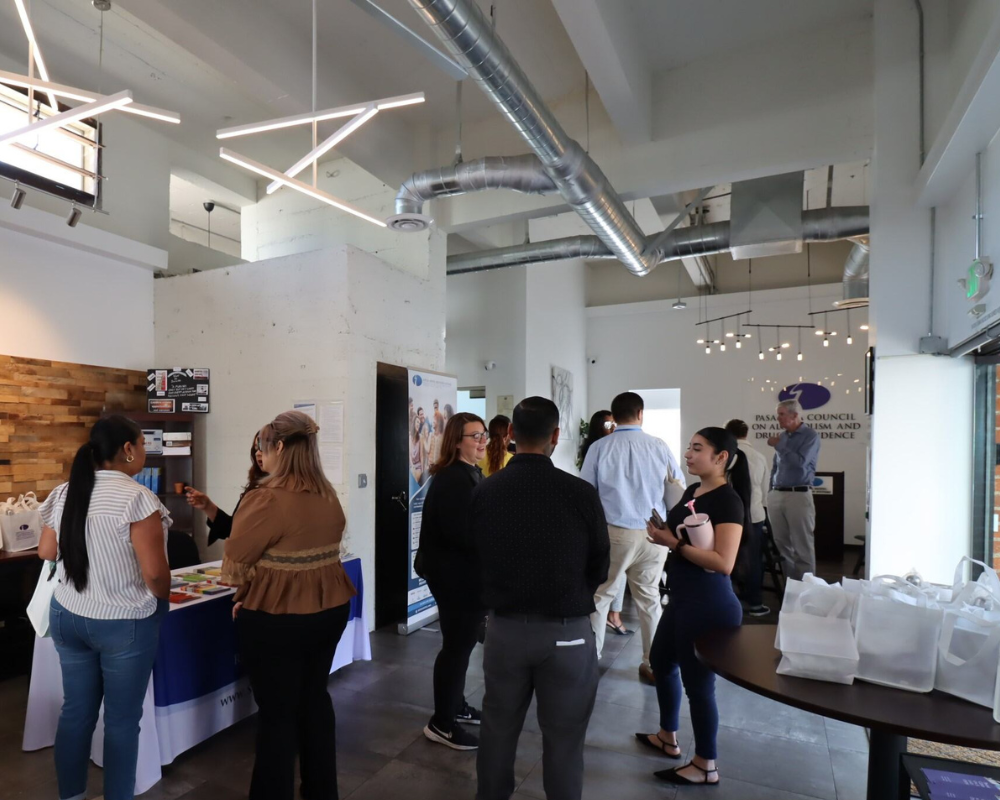
After the presentations, attendees had the opportunity to introduce themselves and briefly share their work, opening the door for providers to connect, exchange information, and start conversations around collaboration. The group continued networking over lunch, with time to build on those conversations in a more relaxed setting.
By the end of the event, it was clear how valuable it is to have everyone in the same space, building stronger connections between providers. Social Model Recovery Systems looks forward to continuing these gatherings to keep the community connected, share resources, and expand access to care across the communities.