
Royal Palms staff shared how connection, belonging, and inclusive care can help create stronger recovery communities for LGBTQ+ individuals and their allies.
Recovery is not only about stopping substance use. It is also about feeling safe, being heard, building relationships, and finding a place where you know you belong.
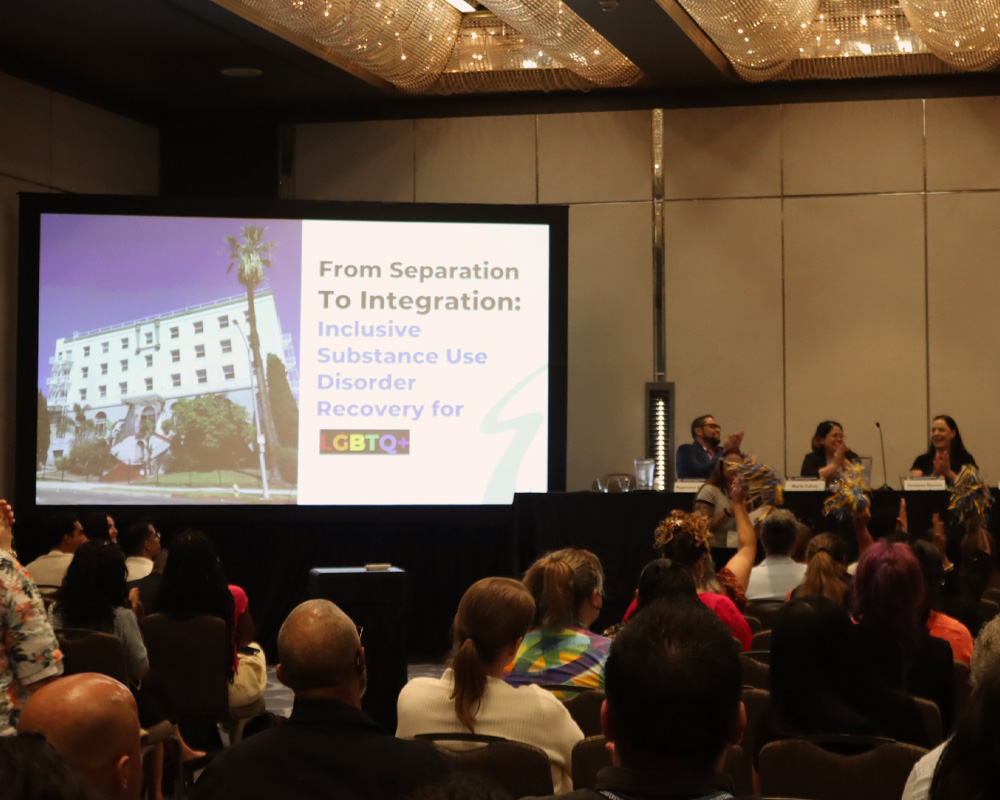
That message was at the heart of “From Separation to Integration: Inclusive Substance Use Disorder Recovery for LGBTQ+,” presented by the staff from Royal Palms, a program of Social Model Recovery Systems (SMRS).
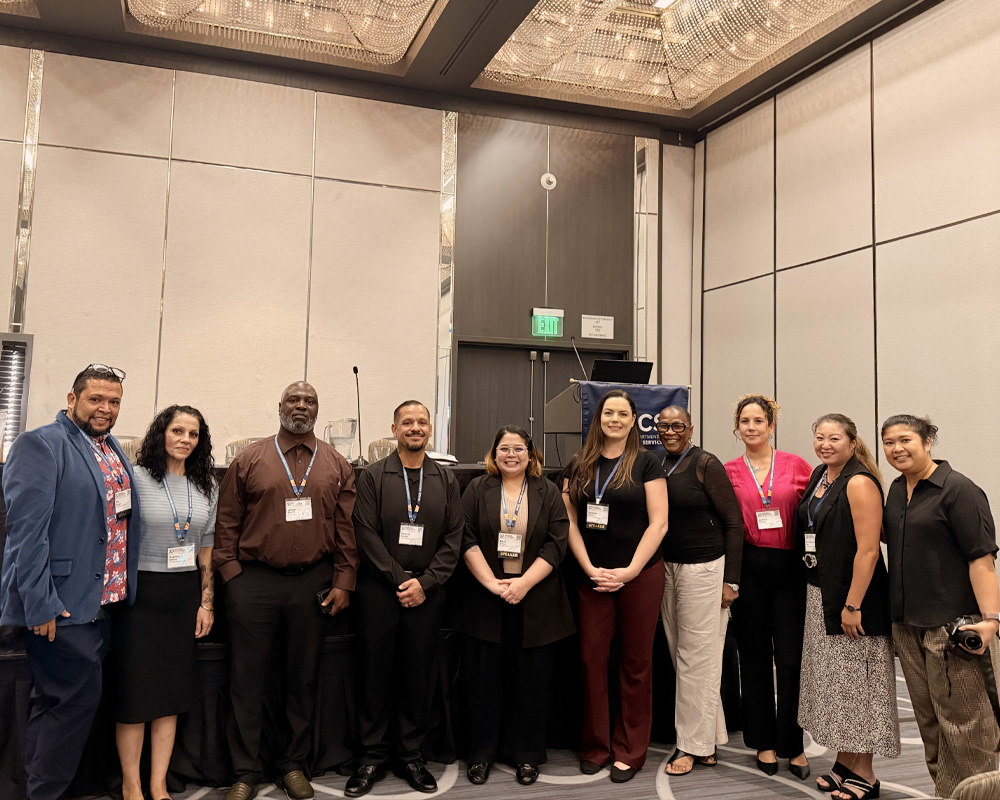
The workshop was presented by Vanessa Ramos, Royal Palms Program Director; Maria Cahoy, ACSW, Royal Palms Program Coordinator; and Ray Amaya, Royal Palms Program Coordinator. They shared how Royal Palms has created a recovery environment where LGBTQ+ individuals, allies, and people from many different backgrounds can heal alongside one another.
Royal Palms’ goal is to provide a safe and supportive environment where people can heal, grow, and build meaningful connections as they find their own path to recovery. A culturally affirming residential treatment program in Los Angeles serving adults experiencing substance use disorders, including LGBTQ+ individuals and allies. Its
One of the strongest messages throughout the presentation was that people do not live in separate communities once they leave treatment.
Rather than separating people by identity, Royal Palms has developed a blended community model that brings together people with diverse backgrounds and experiences. The model is designed to address gaps that can leave marginalized groups feeling overlooked while helping residents practice empathy, accountability, and healthy relationships in a real community setting.
Ray spoke openly about his own lived experience in recovery and as a member of the LGBTQ+ community. He explained that everyone at Royal Palms brings something valuable to the community, whether that comes from lived experience, clinical knowledge, cultural background, mental health experience, or simply a willingness to listen and learn.
For residents who may have experienced rejection, discrimination, or stigma, feeling safe can make a significant difference.
“Until they feel safe, recovery isn’t going to happen,” Ray shared during the presentation.
That sense of safety is built in many ways at Royal Palms. Residents participate in peer support, community meals, recreational and wellness activities, recovery celebrations, cultural activities, LGBTQ±affirming events, and other opportunities that encourage relationships across different identities and backgrounds. These experiences are intended to help residents develop trust, mutual support, and a stronger sense of community.
Vanessa shared how the program’s Community Meeting has become an important part of building that culture.
Held monthly at the Royal Palm’s Town Hall, it brings staff and residents together to discuss concerns, ideas, accomplishments, and ways to improve Royal Palms. It allows residents to have a voice in the community while also encouraging accountability and healthy communication.
“We talk about their experiences,” Vanessa explained. “How can we make Royal Palms safer and better for everybody?”
Another important part of the program is Rainbow Circle, an LGBTQ+ group that provides space to discuss issues such as coming out, discrimination, identity, and healing from marginalization.
Something unexpected happened as the group developed: residents who did not identify as LGBTQ+ began asking to participate.
That interest opened the door for conversations about allyship, respect, and understanding. Instead of simply tolerating differences, residents were given opportunities to listen to one another, ask questions, and build relationships with people they might never have connected with outside of treatment.
Maria shared how Royal Palms supports residents from a clinical perspective. She talked about meeting people where they are and creating a space where they feel understood, respected, and supported. The team uses trauma-informed care, harm reduction, cultural humility, and affirming practices as part of that approach.
She described how uncomfortable interactions do not always have to end in separation. When appropriate and safe, they can become learning opportunities.
In individual and group therapy, residents are encouraged to move from judgment toward curiosity, develop empathy, build distress tolerance, and understand the difference between simply tolerating someone and becoming an active ally.
Maria emphasized that learning to connect with someone different can be especially meaningful in recovery.
“When you’re walking around the world with prejudice in your mind, it really closes you off to connection,” she shared. “And as most of us know, connection is the antidote for addiction.”
The presenters also shared that creating an inclusive community is not always easy. Residents come from different backgrounds and experiences, and at times, those differences can lead to misunderstandings or tension. The team works through those moments by listening, talking things through, and making sure everyone feels safe and respected. It is ongoing work that takes patience, openness, and a willingness to learn from one another.
One of the most meaningful moments of the workshop came through a video featuring Royal Palms alumni.
Former residents—both LGBTQ+ and non-LGBTQ+—shared how living and recovering alongside people from different backgrounds changed the way they saw one another. Some spoke about arriving unsure of whether they would fit in, only to leave with friendships and a deeper respect for people whose lives looked different from their own.
Their stories reflected what the Royal Palms model hopes to build: inclusive care, peer relationships, community connection, and long-term recovery and wellness.
The session concluded with an emotional Coming Out Activity. Participants wrote important parts of their lives—including friends, family, community, career, hopes, and dreams—on the points of a star. As different scenarios of acceptance and rejection were read aloud, participants were asked to fold or tear away pieces of their stars.
The exercise gave participants a small glimpse into how rejection can affect a person’s relationships, sense of safety, opportunities, and hope. It also led to an important question:
What can each of us do to make our own environments more supportive for LGBTQ+ individuals?
The activity brought the workshop’s message to life: everyone deserves to feel safe, accepted, and supported for who they are. Having that sense of belonging can make a real difference, helping people feel less alone, build meaningful connections, and keep moving forward in recovery.
At Royal Palms, inclusion is not simply about bringing different people into the same building. It is about helping them see one another, learn from one another, and discover that despite their differences, they may have more in common than they realized.
Recovery becomes stronger when people know they do not have to walk through it alone.
